
What Are You Looking For?
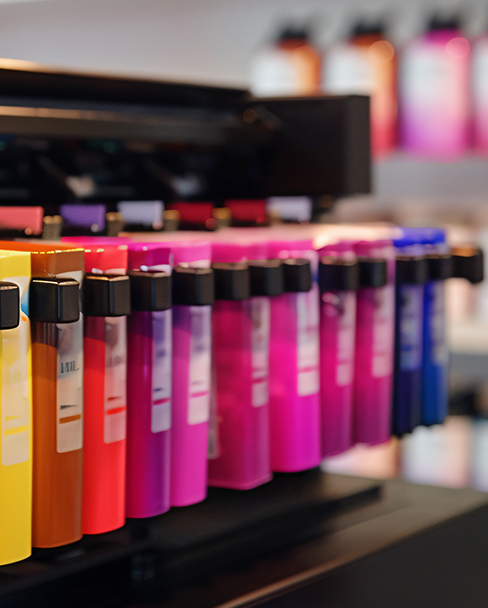
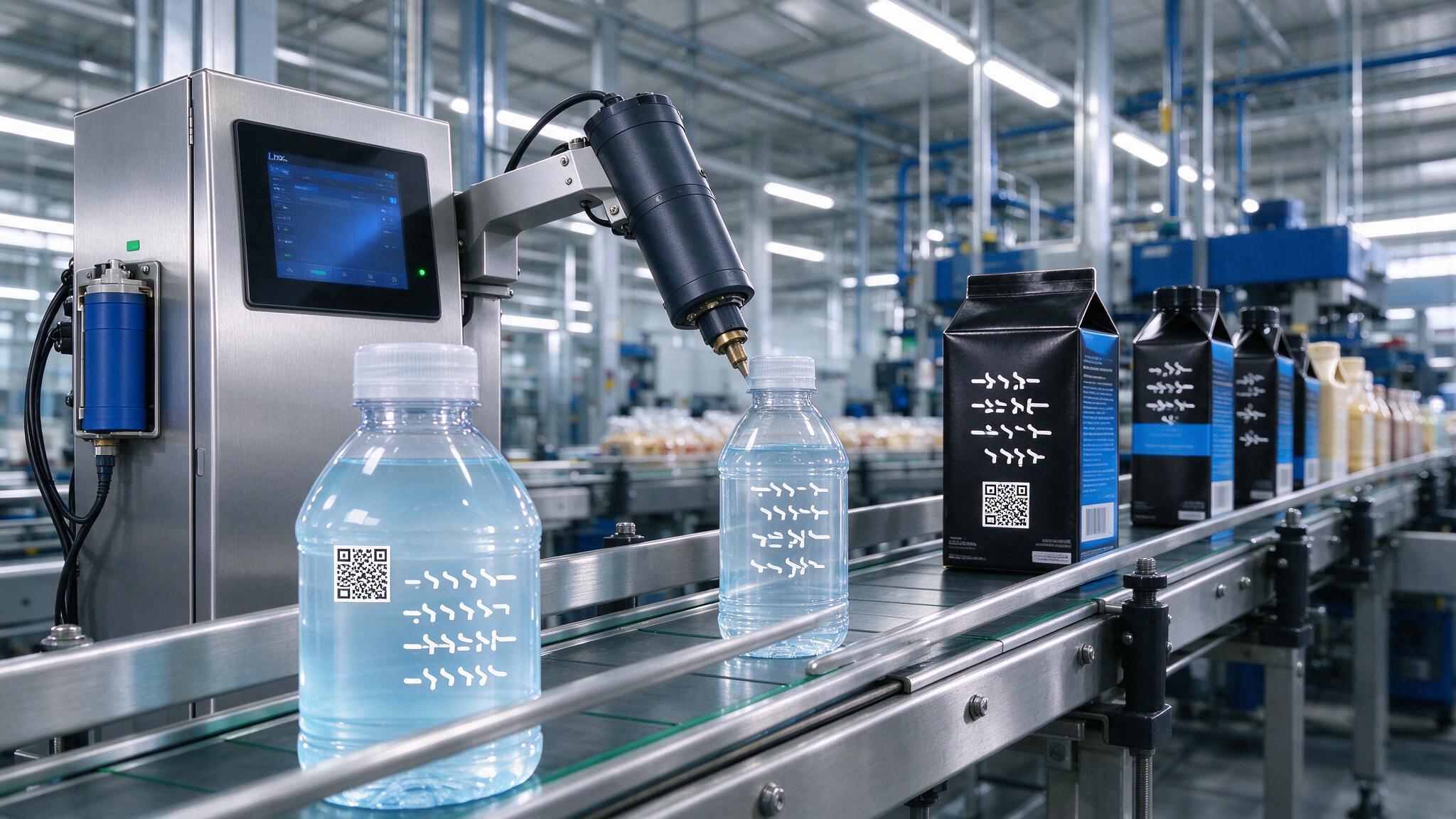
A Linx printer is a continuous inkjet (CIJ) coding system, engineered in the UK since 1987, used on manufacturing production lines. It prints variable data — dates, batch/lot codes, serial numbers, barcodes, and 2D codes — directly onto products and packaging at high speed, without touching the surface. Linx printers are used across food & beverage, dairy, pharmaceutical, personal care, wire & cable, and industrial component manufacturing, typically for traceability, regulatory compliance, and product identification.
Linx Printing Technologies is a British manufacturer of industrial coding and marking equipment, founded near Cambridge — the birthplace of inkjet coding technology. The brand launched its first small-character CIJ printer in 1987 and now sells to over 100 countries.
Its core product is the continuous inkjet (CIJ) printer, which works like this:
The result: non-contact, high-speed printing that works on curved, uneven, or fragile surfaces without touching or damaging them.
At its core, a Linx printer handles the variable data that every product needs for identification and traceability:
Where a Linx printer earns its place depends heavily on the industry. Here's how it's used across major sectors:
| Industry | What the Linx Printer Does | Key Requirement |
|---|---|---|
| Food & Beverage | Date codes, batch numbers on bottles, cans, cartons | Food-grade ink, high speed, condensation resistance |
| Dairy | Use-by dates, lot codes on milk bottles, yoghurt pots | Chilled/damp line performance, reliability |
| Pharmaceutical | Batch codes, serialization, 2D DataMatrix (UDI) | Compliance, high contrast, traceability |
| Personal Care / Cosmetics | Dates, batch codes on tubes, bottles, cartons | Low odor, strong adhesion on coated surfaces |
| Wire & Cable | Specs, sequential numbers, metre markings on cables | High adhesion, abrasion resistance, pigmented ink |
| Metal & Industrial Parts | Part numbers, batch codes on cans, coated parts | Contrast on dark surfaces, durability |
| Electronics | Micro-characters, serial numbers on components | High precision, small char height |
Knowing the boundaries helps you avoid a costly mismatch:
Linx offers a range of CIJ models for different production demands. Here's a comparison of the most common ones:
| Model | Type | Lines | Typical Use |
|---|---|---|---|
| Linx 8830 | Entry-level CIJ | Up to 3 | Simple date/batch coding, cost-focused lines |
| Linx 8900 / 8920 | High-speed CIJ | Up to 5–6 | Fast lines, 2D codes, frequent changeovers (up to ~7.28 m/s) |
| Linx 9940 | Robust IP65 CIJ | Up to 5 | Washdown, dusty, harsh food environments |
| Linx 9940 Spectrum | Pigmented CIJ | Varies | High-contrast on dark surfaces, cables, extrusions |
| Linx TT Series | Thermal transfer (TTO) | Varies | Flexible film and pouch packaging |
| Linx CSL / Laser | CO2 / UV / fiber laser | — | Permanent marking, non-contact, no consumables |
Note: Specifications vary by configuration and region. Always confirm exact parameters against official Linx documentation for your model.
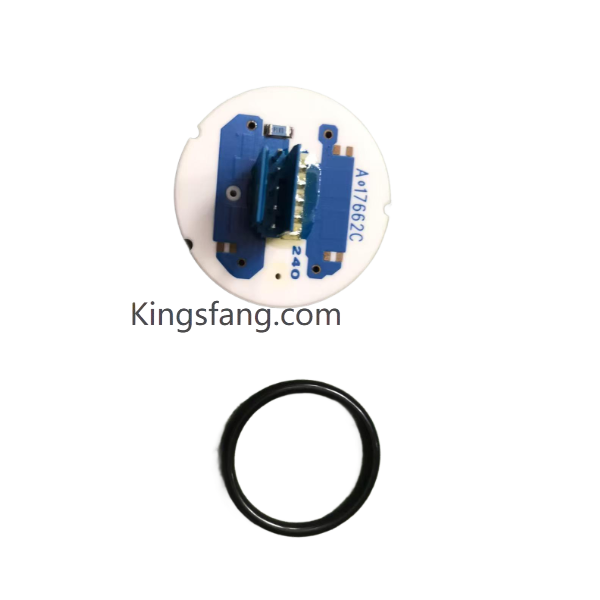
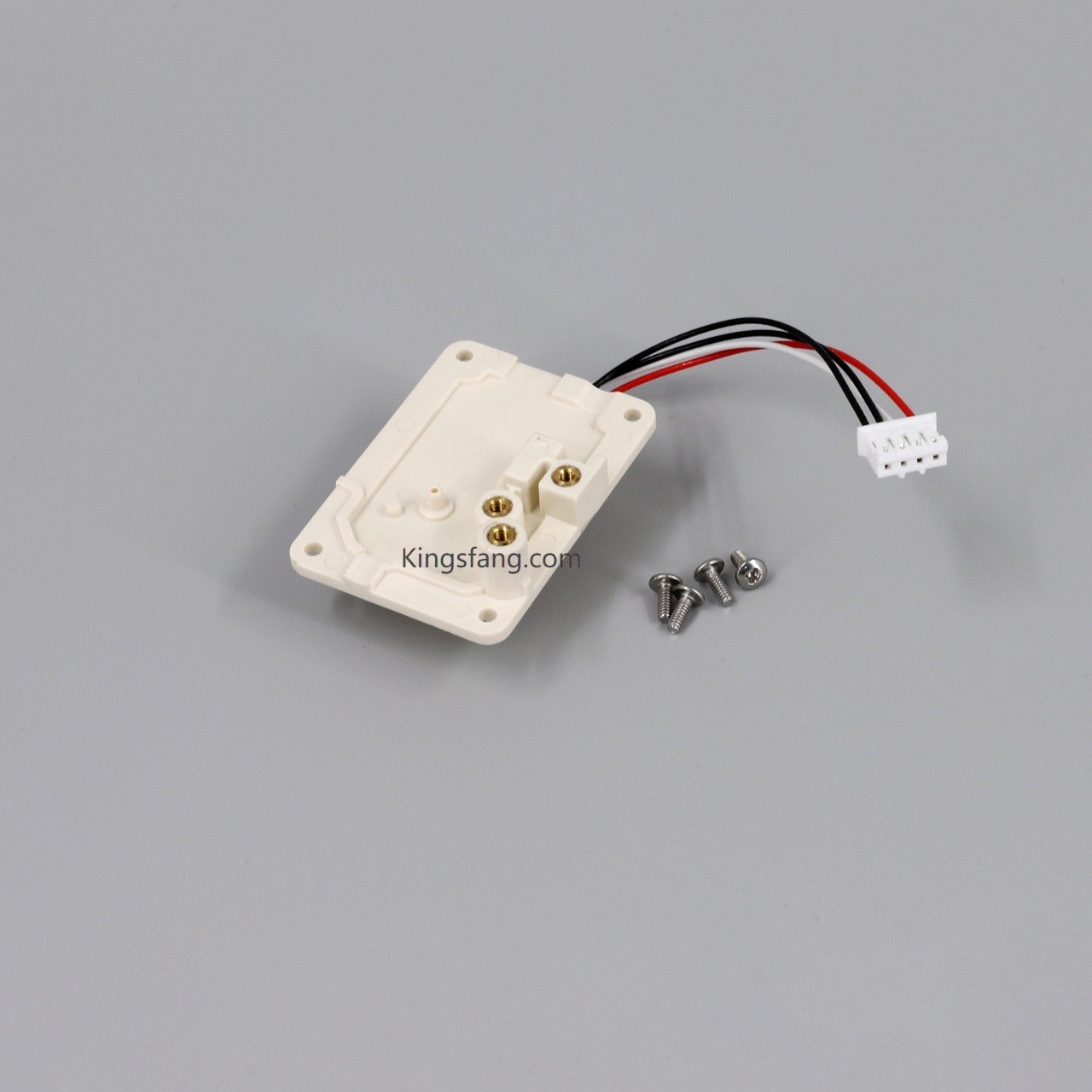
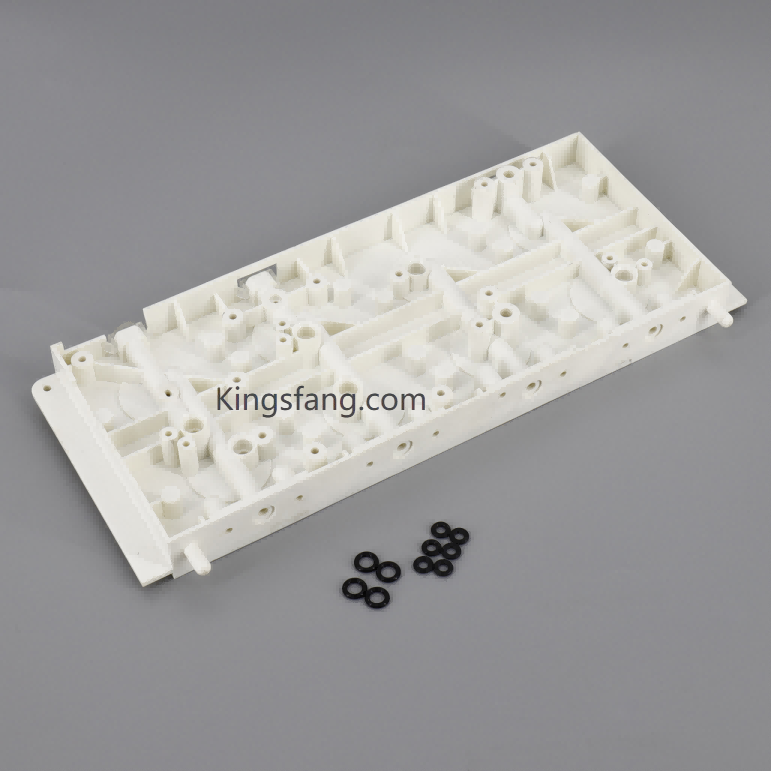
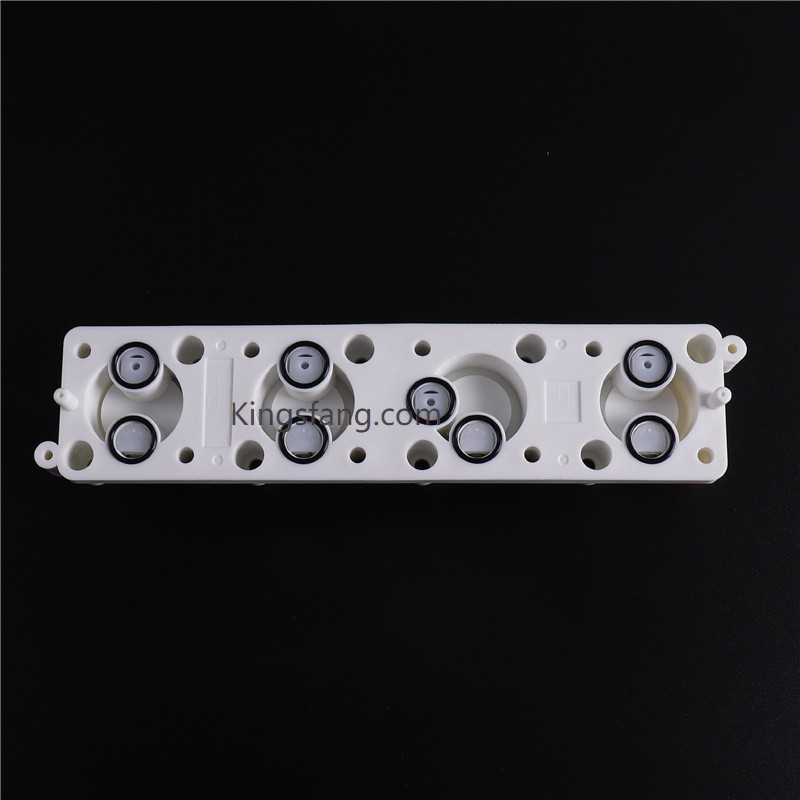
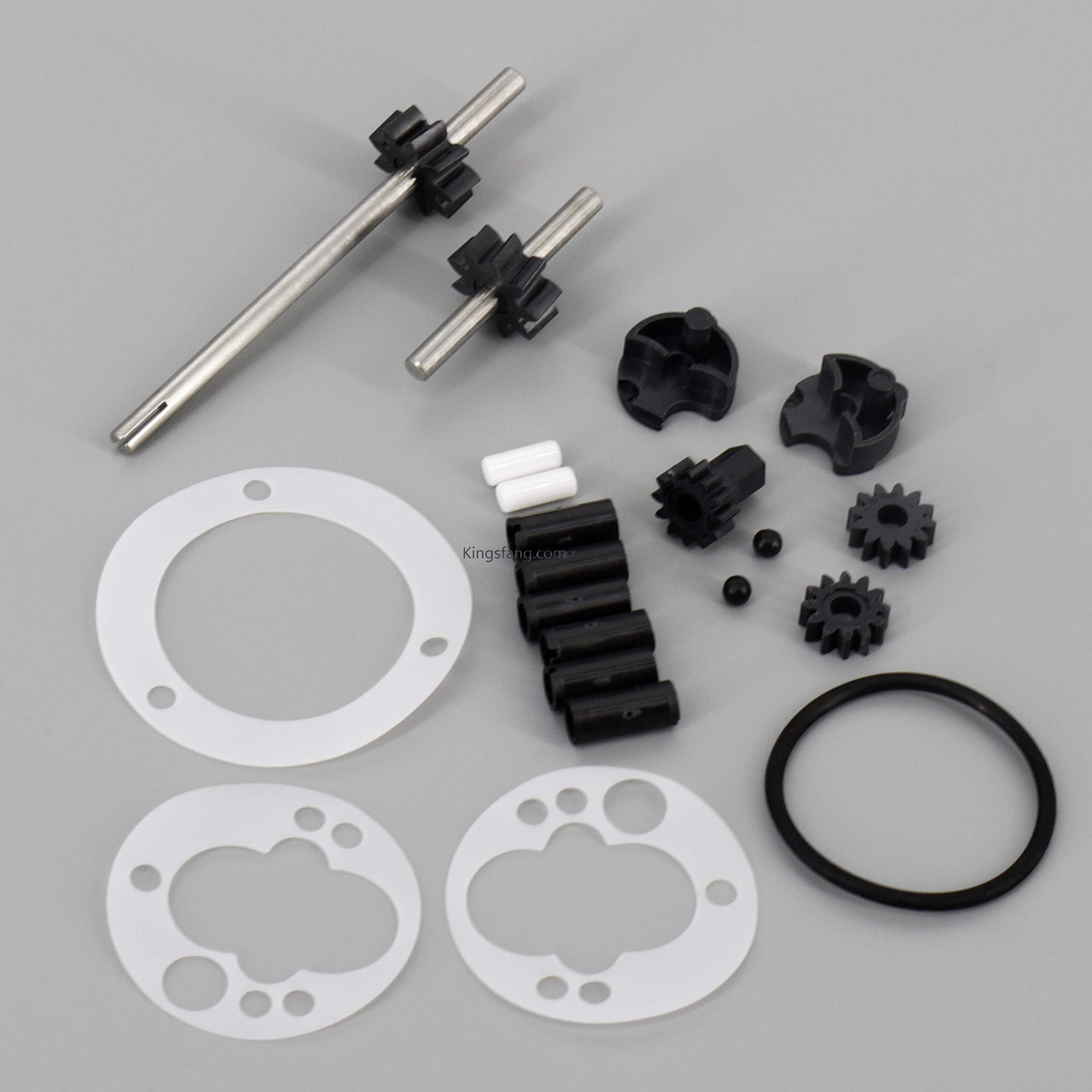
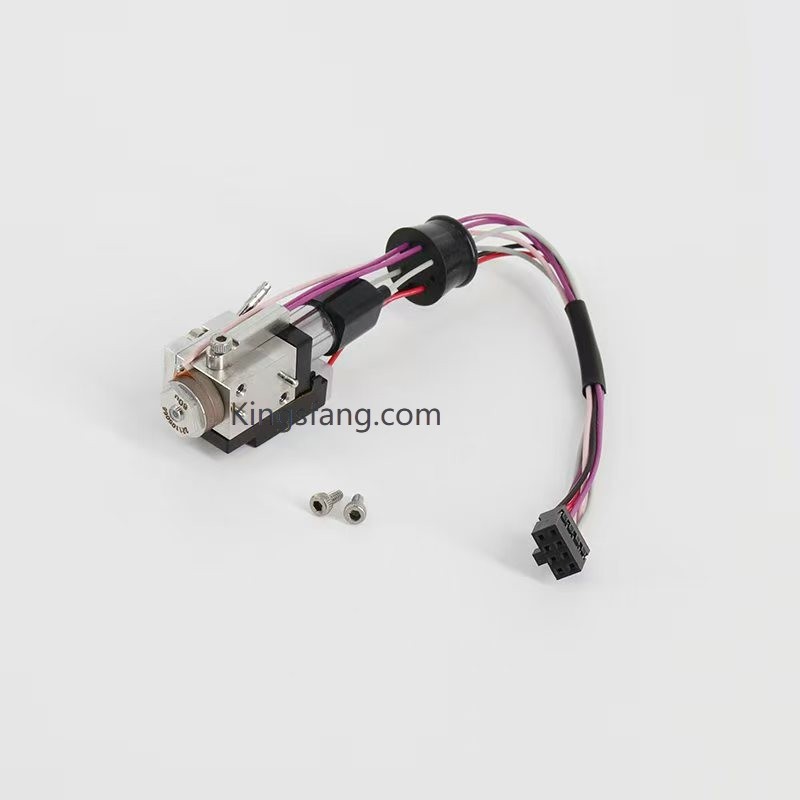
Linx printers are consumable-driven systems. To keep them running, you need the right fluids and parts:
This is where distributors and buyers can make a real cost difference. Here's how they compare:
| Aspect | OEM Consumables | Quality Compatible |
|---|---|---|
| Price | High | 20–30% lower |
| Print quality | Excellent | Excellent when properly formulated |
| Compatibility | Guaranteed | Must verify RFID chip, viscosity, nozzle type |
| Warranty risk | None | Check supplier guarantees compatibility |
| Best for | Brand-loyal, warranty-sensitive | Cost-focused, high-volume operations |
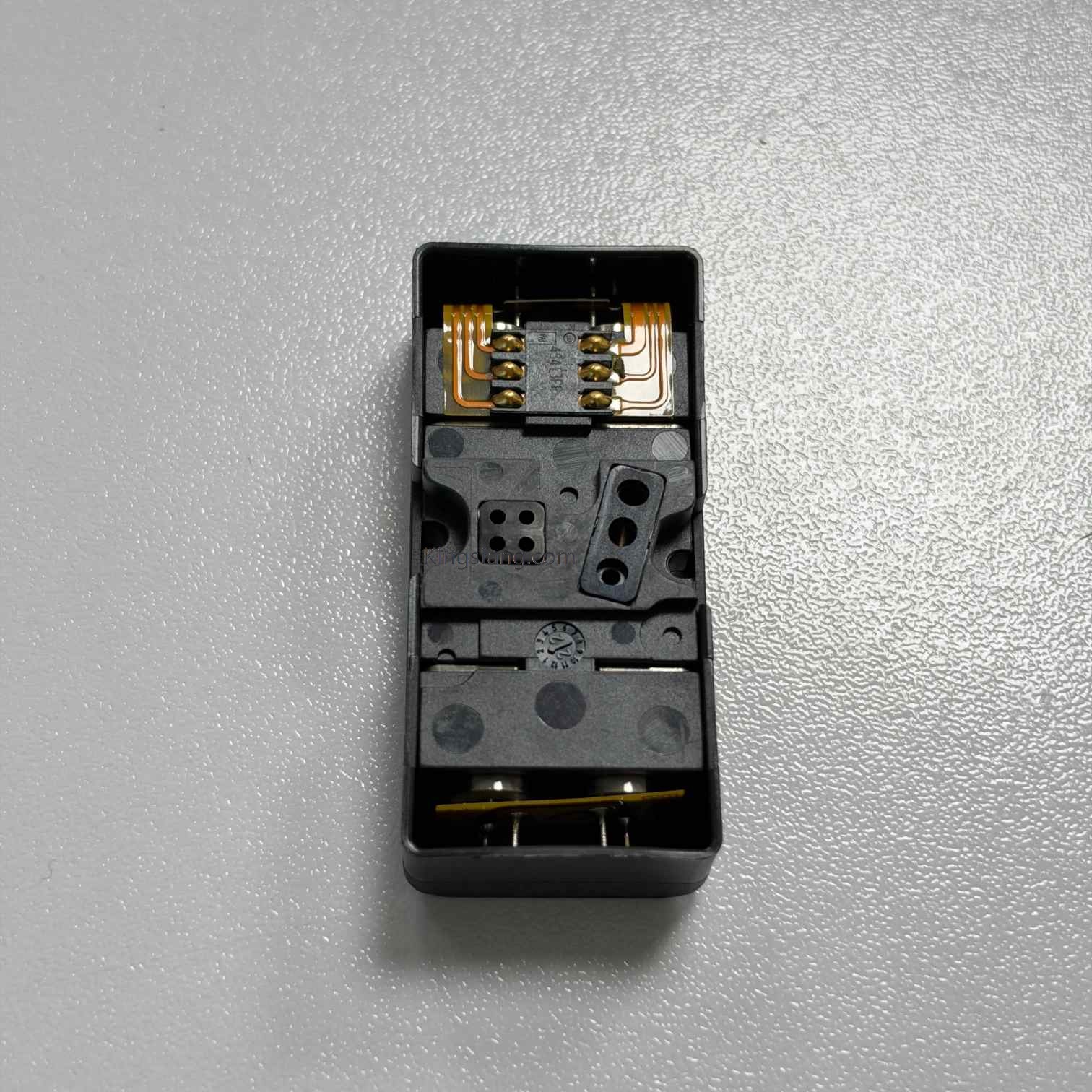
Key verification points for compatible consumables: RFID chip matches the printer platform, solvent base and viscosity match the OEM reference, and the supplier provides SGS RoHS-compliant production with batch consistency testing.
For procurement managers and engineers, six factors drive the decision:
| Parameter | Typical Range (Linx 8900/8920 class) |
|---|---|
| Max single-line speed | Up to ~7.28 m/s (configuration dependent) |
| Print lines | Up to 5–6 lines |
| Character height | ~1.8–20 mm (model dependent) |
| Protection | IP55 standard, IP65 optional/select models |
| Ink types | MEK, ethanol, MEK-free, pigmented |
| Codes | 1D barcodes, QR, DataMatrix |
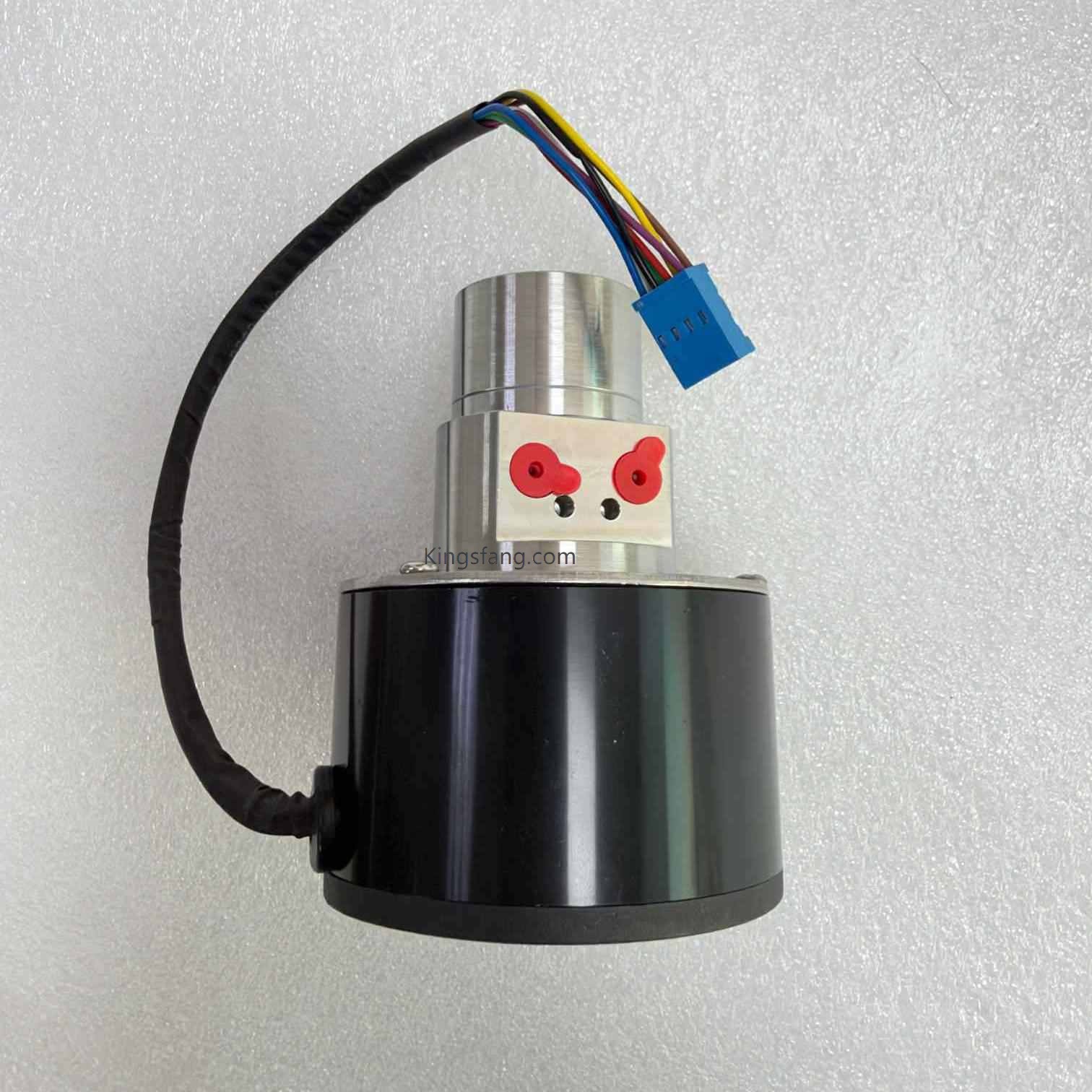
Kingsfang is a professional manufacturer and exporter specializing in CIJ coding consumables and spare parts. With over 20 years of focused experience, a 15,000 m² modern facility, and 500,000+ units annual capacity, we supply compatible inks, make-up solutions, printheads, nozzles, ink cores, RFID chips, filters, and ribbons — fully compatible with major brands including Linx, Videojet, Domino, and Markem-Imaje, serving 60+ countries.
What industries use Linx printers?
Food & beverage, dairy, pharmaceutical, personal care, wire & cable, metal/industrial parts, and electronics — anywhere products need dates, batch codes, or traceability marks.
Are Linx printers good for food packaging?
Yes. Linx CIJ printers are widely used in food packaging, with food-compatible inks and IP-rated models (like the 9940) suited to washdown and chilled environments.
What ink do Linx printers use?
Linx printers use dye-based, pigmented, MEK-based, ethanol-based, and MEK-free inks, plus make-up solvent and cleaning solution — matched to the substrate and application.
Can I use compatible ink in a Linx printer?
Yes, provided the compatible ink matches the printer's specifications (RFID chip, viscosity, solvent base) and comes from a quality supplier with proper testing. This is a common way to cut running costs 20–30%.
How much does a Linx printer cost?
Prices vary by model and configuration — entry-level units start lower, while high-speed and IP65 models cost more. Always compare total cost of ownership, including consumables and maintenance.
Linx vs. Videojet vs. Domino — how do they compare?
All three are leading CIJ brands. Linx is known for reliable, user-friendly CIJ printers engineered in the UK. The right choice depends on your line speed, substrate, environment, and budget — and quality compatible consumables are available for all three.
In short, a Linx printer is a proven UK-engineered CIJ coding system used to print dates, batch codes, barcodes, and serialized data on products across food, beverage, dairy, pharma, personal care, wire & cable, and industrial manufacturing. It delivers non-contact, high-speed coding that supports traceability and regulatory compliance.
Whether you run a Linx machine already or are sourcing one, the consumables you choose have a major impact on total cost. Kingsfang supplies high-quality compatible inks, solvents, printheads, and spare parts for Linx and other major brands — helping you cut costs without compromising quality.
Keep your Linx line running at lower cost. Contact Kingsfang today.

Leave A Message
Scan to Wechat :

Scan to WhatsApp :

 English
 Pусский
 Español
 Português
 العربية
 فارسی




 IPv6 network supported