
What Are You Looking For?
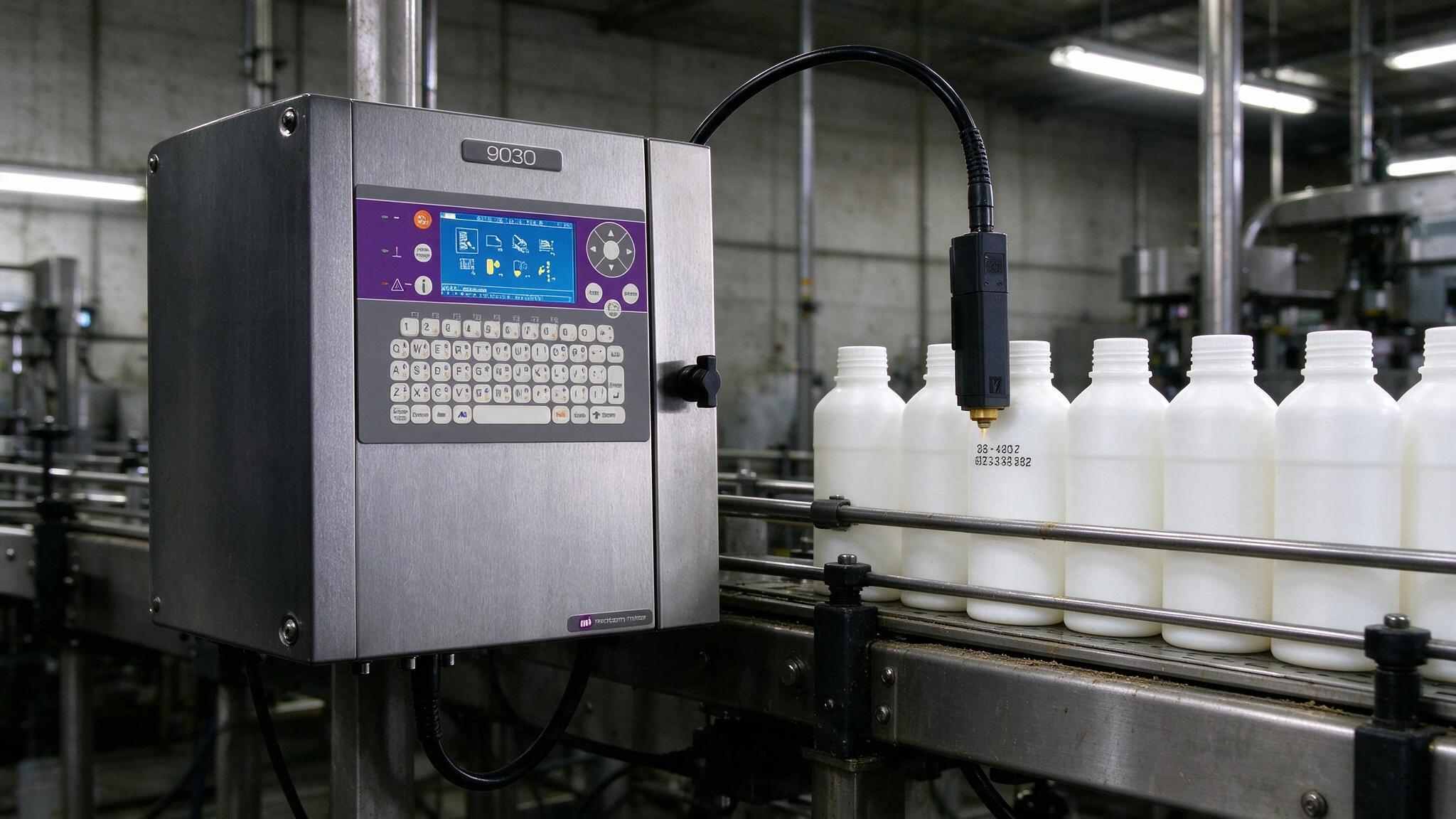
Continuous Inkjet (CIJ) is a high-speed, non-contact coding technology that prints variable data — dates, batch codes, serial numbers, barcodes, and 2D codes — directly onto products and packaging as they move along a production line. It works by forcing pressurized ink through a tiny nozzle, breaking it into tens of thousands of electrically charged droplets per second, and deflecting them with an electrostatic field to form characters. Unused droplets are recirculated and reused — which is why it's called "continuous" inkjet. CIJ is the industry-standard coding technology for high-volume food, beverage, pharmaceutical, and industrial manufacturing.
Continuous inkjet is one of the two major inkjet technologies used in industrial coding (the other being drop-on-demand, or DOD). The name "continuous" refers to the fact that ink flows constantly through the system — not just when printing.
CIJ was commercialized in the 1960s–70s and has since become the workhorse of industrial date and lot coding. Its key trait is that it's non-contact: the printhead never touches the product, so it can code curved, uneven, fragile, or fast-moving surfaces without damage or smudging.
| Aspect | Continuous Inkjet (CIJ) |
|---|---|
| Printing method | Non-contact, continuous ink stream |
| Primary use | Variable data coding (dates, batch, barcodes, 2D codes) |
| Speed | Very high (up to ~300 m/min, higher on advanced models) |
| Character height | Typically ~1.2–25 mm (small character) |
| Substrates | Plastic, glass, metal, film, paper, cable |
| Consumables | Ink, make-up solvent, cleaning solution |
CIJ printing follows a precise, five-step process. Understanding it helps engineers with setup and troubleshooting — and helps buyers evaluate what they're paying for.
Why it's called "continuous": the ink never stops flowing. This constant circulation lets CIJ use fast-drying inks that would otherwise dry inside a printhead — a key reason CIJ handles high-speed, high-volume lines so well.
CIJ is one of several coding technologies. Here's how they compare:
| Feature | CIJ | TIJ (Thermal) | Laser |
|---|---|---|---|
| Contact | Non-contact | Non-contact | Non-contact |
| Speed | Very high | Moderate | High |
| Print distance | Long (up to ~10–30 mm) | Short (2–5 mm) | Depends on setup |
| Substrates | Almost any (incl. curved) | Porous / flat best | Most (no ink needed) |
| Consumables | Ink + solvent | Cartridge | None |
| Best for | High-speed, curved, high-volume | Flat, porous, lower-cost | Permanent, tamper-proof marks |
CIJ's versatility comes from matching the ink chemistry to the material. Here's a quick reference:
| Substrate | Recommended Ink | Note |
|---|---|---|
| Plastic (PET, PE, PP) | Fast-dry MEK or ethanol | Low-energy surfaces need adhesion promoters |
| Glass | Fast-dry solvent-based | Requires controlled drying |
| Metal / cans | MEK-based | Check moisture resistance |
| Flexible film | Fast-dry; adhesion promoter | Film runs at high speed |
| Paper / card | Standard dye or fast-dry | Porous, absorbs quickly |
| Cable / wire | Pigmented (white) for dark | High contrast, abrasion resistance |
| Industry | Typical Application | Key Requirement |
|---|---|---|
| Food & Beverage | Dates, batch codes on bottles, cans, cartons | Food-grade ink, high speed |
| Dairy | Use-by dates on milk, yoghurt, cartons | Chilled/damp line performance |
| Pharmaceutical | Serialization, 2D DataMatrix (UDI) | Compliance, traceability |
| Cosmetics & Personal Care | Dates, batch codes on tubes, bottles | Low odor, adhesion on coated surfaces |
| Wire & Cable | Metre marking, specs, sequential numbers | High adhesion, pigmented ink |
| Automotive & Industrial | Part numbers, batch codes on components | Durability, contrast on metal |
| Electronics | Micro-characters, serial numbers | Precision, small char height |
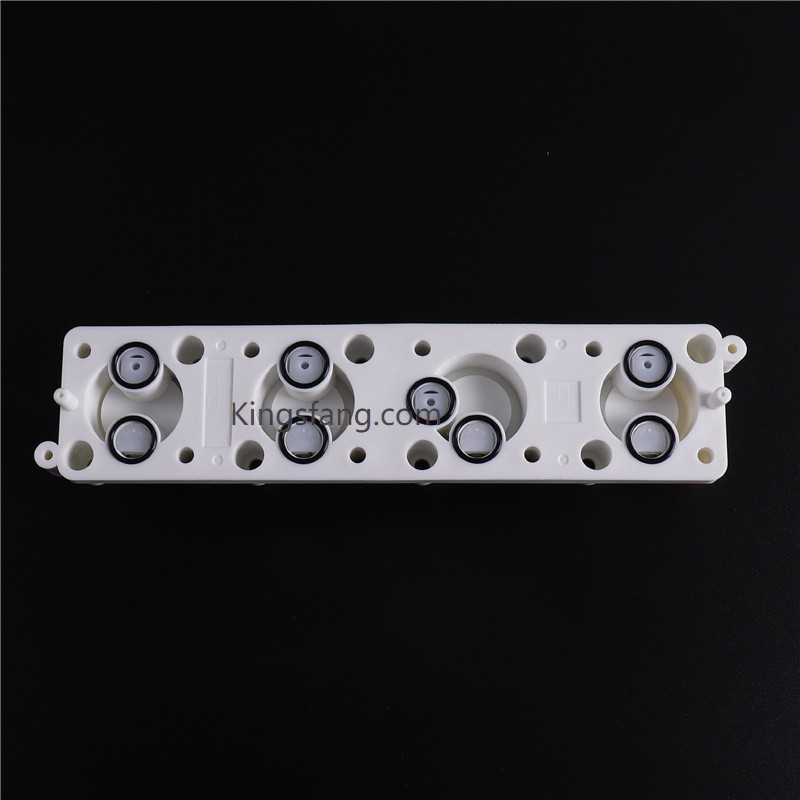
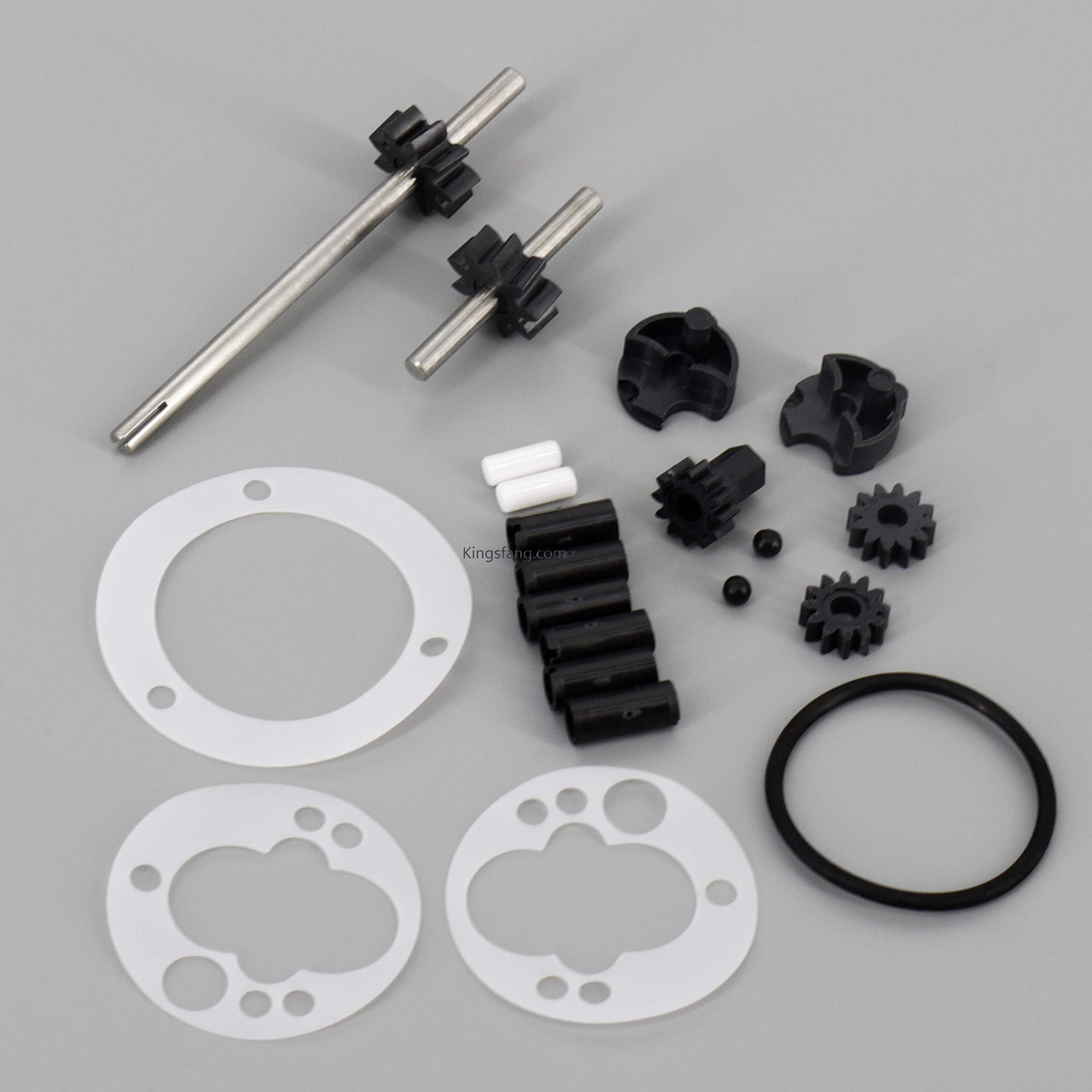
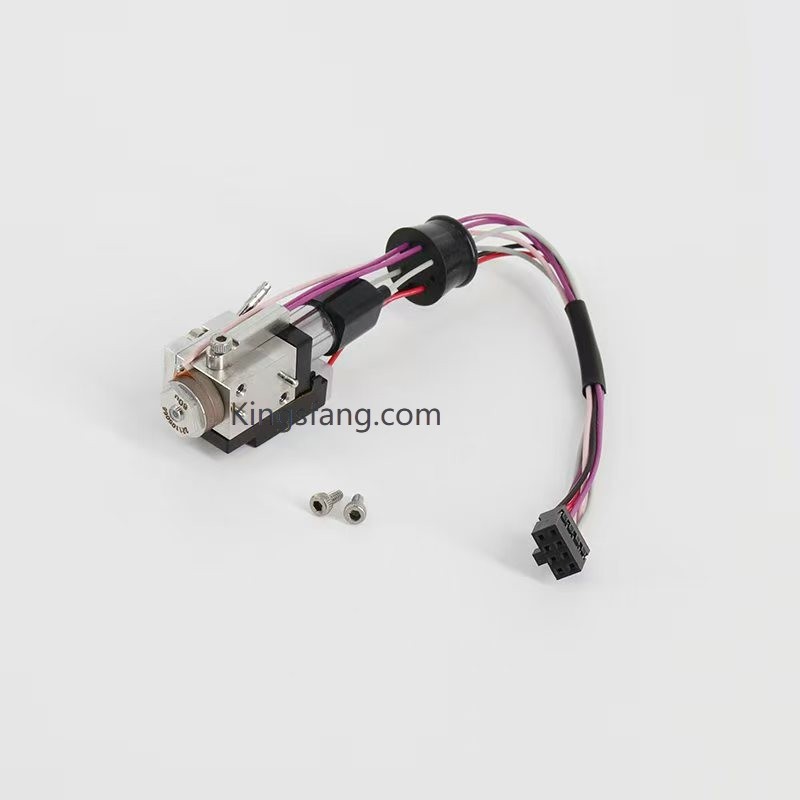
CIJ printers run on a set of fluids and wear parts. Keeping them in good supply is essential to uptime.
| Aspect | OEM Consumables | Quality Compatible |
|---|---|---|
| Price | High | 20–30% lower |
| Quality | Excellent | Excellent when formulated and tested |
| Compatibility | Guaranteed | Verify viscosity, conductivity, RFID, nozzle |
| Best for | Warranty-sensitive operations | Cost-focused, high-volume lines |
Consumable management tip: Store ink and solvent at 15–25°C, sealed, away from sun and heat. Rotate stock FIFO, and check expiry — most CIJ inks last 12–18 months, pigmented inks shorter (6–12 months).
| Parameter | Typical Range |
|---|---|
| Print speed | ~300 m/min typical; up to 470+ m/min on advanced models |
| Droplets per second | Up to ~120,000 |
| Nozzle diameter | ~50–80 microns |
| Character height | ~1.2–25 mm |
| Print distance | Up to ~10–30 mm |
| Lines | 1–6 lines |
| Deflection voltage | ~7,000 V range |
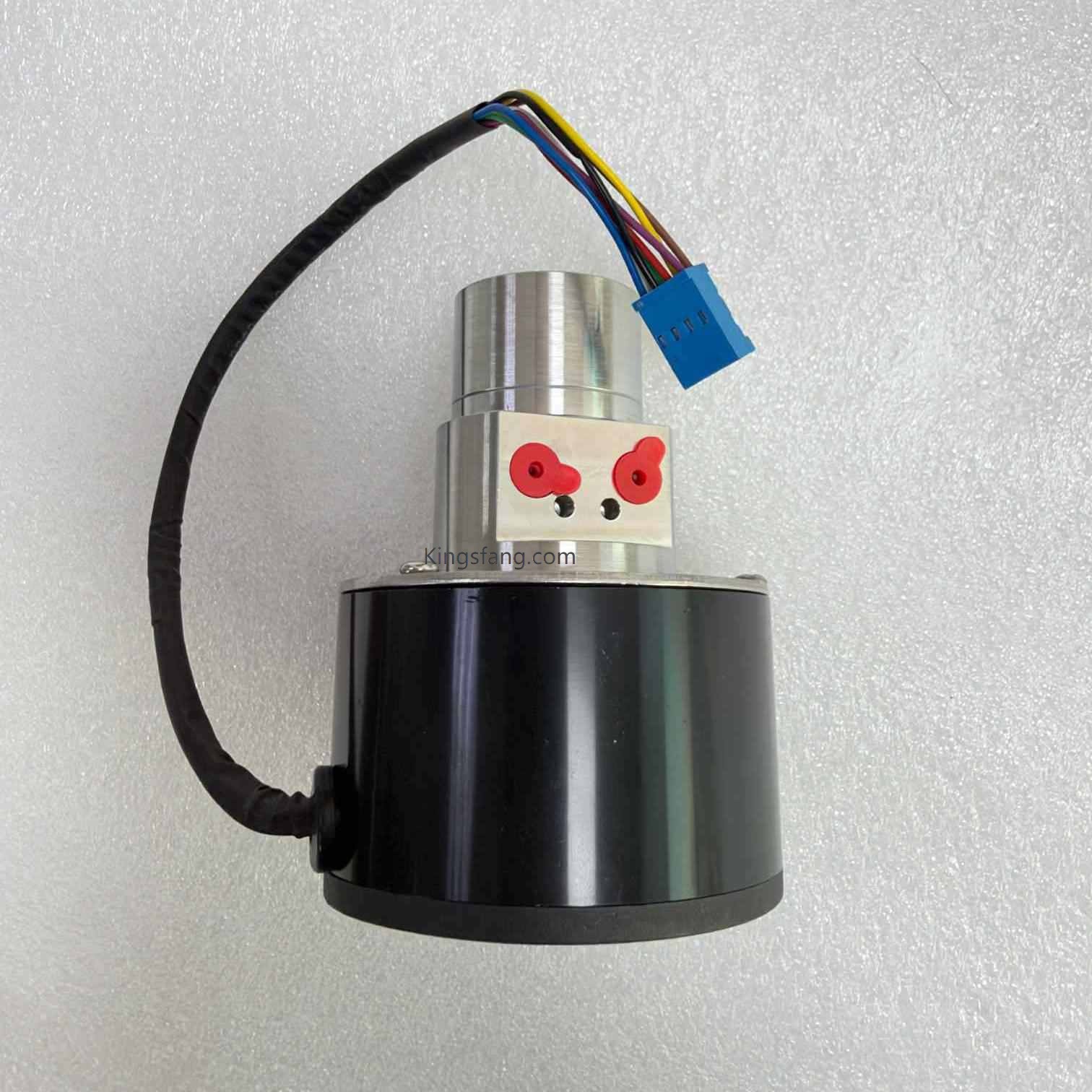
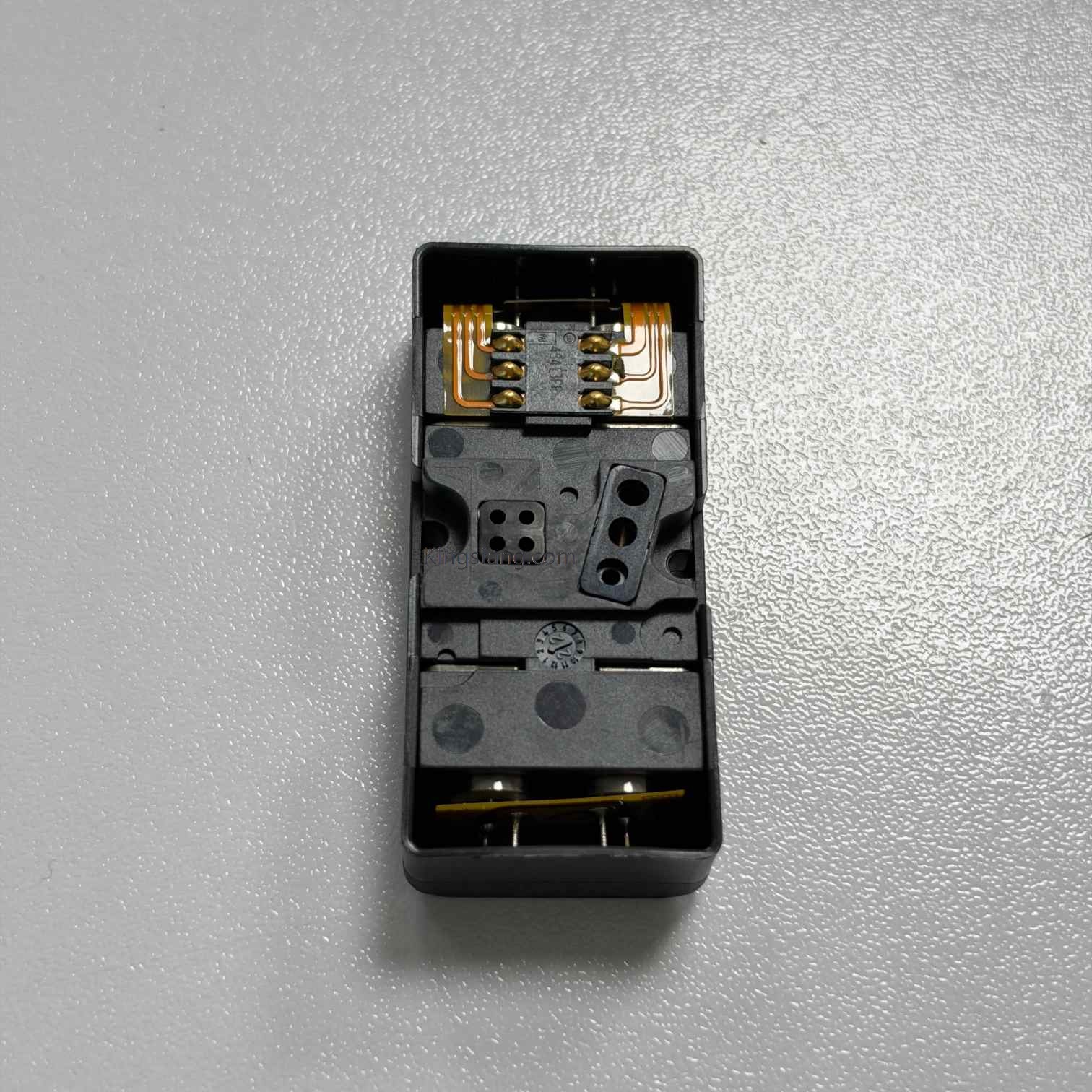
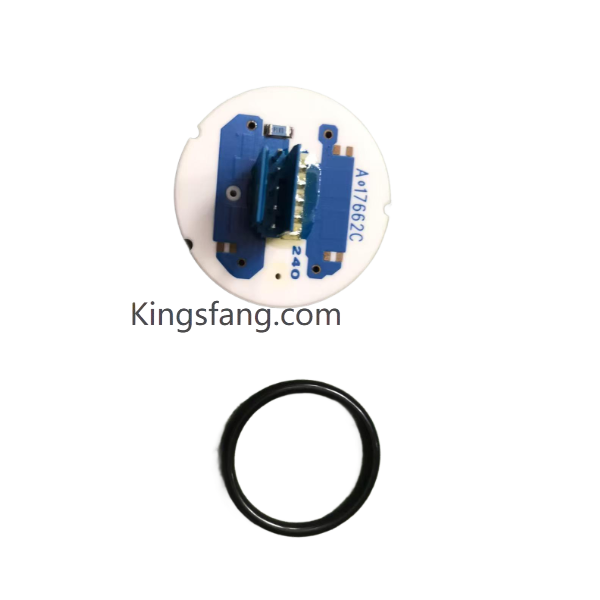
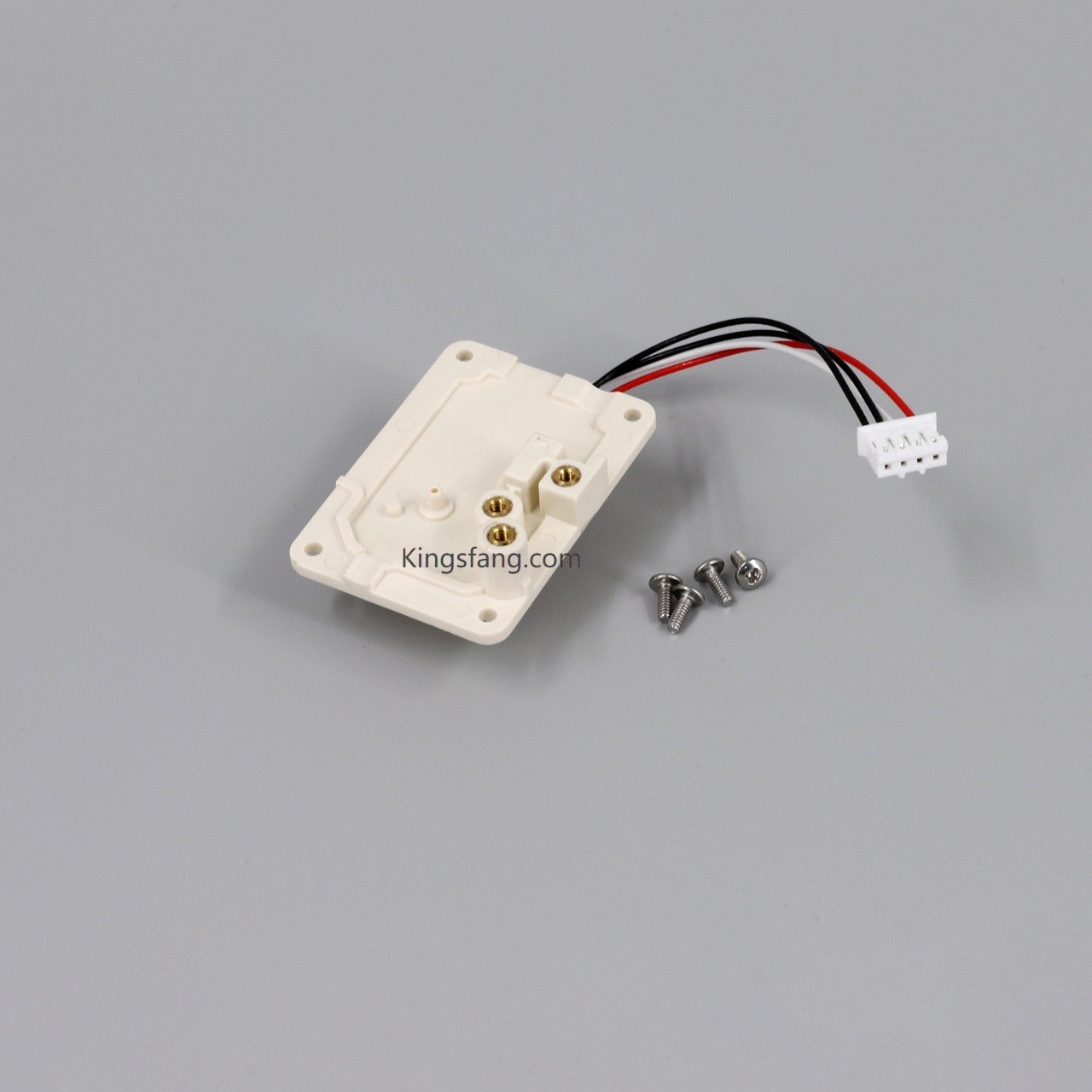
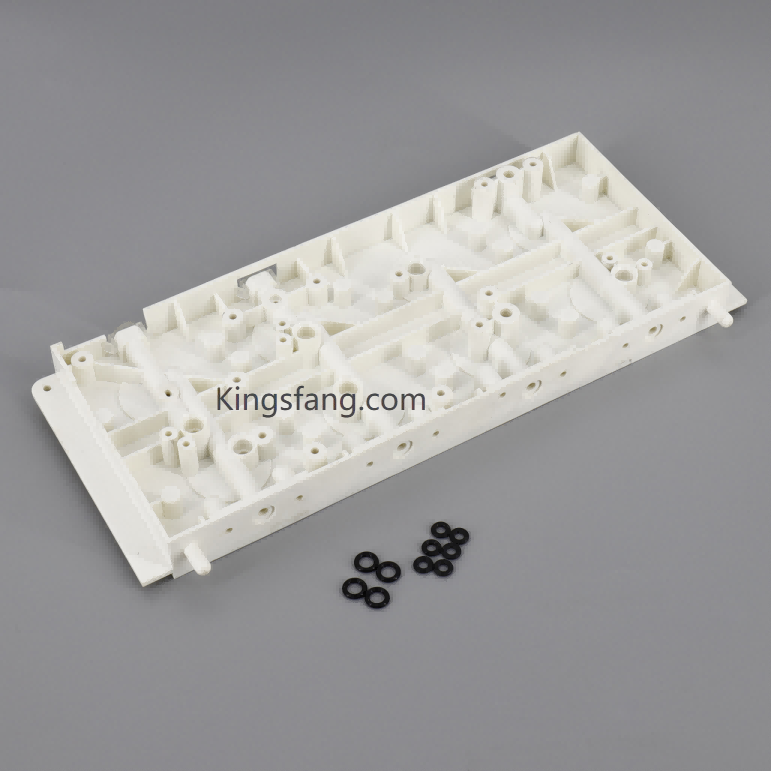
Kingsfang is a professional manufacturer and exporter specializing in CIJ coding consumables and spare parts. With over 20 years of focused experience, a 15,000 m² modern facility, and 500,000+ units annual capacity, we supply compatible inks, make-up solutions, printheads, nozzles, ink cores, RFID chips, filters, and ribbons — fully compatible with major brands including Videojet, Domino, Markem-Imaje, and Linx, serving 60+ countries.
What does CIJ stand for?
CIJ stands for Continuous Inkjet — a non-contact coding technology that uses a continuous stream of charged ink droplets to print variable data on products and packaging.
How does a CIJ printer work?
Pressurized ink is forced through a nozzle and broken into droplets by a piezoelectric crystal. Selected droplets are electrically charged and deflected by an electrostatic field onto the product. Unused droplets are recirculated and reused.
What's the difference between CIJ and TIJ?
CIJ uses a continuous ink stream and excels at high-speed, non-contact printing on curved surfaces and at longer distances. TIJ is a drop-on-demand technology that offers higher resolution but shorter print distance and slower speeds, best for flat, porous surfaces.
What materials can CIJ print on?
CIJ prints on plastic, glass, metal, flexible film, paper, cardboard, rubber, and cable — with the appropriate ink for each substrate.
Is CIJ good for high-speed production lines?
Yes. CIJ is specifically designed for high-speed, high-volume lines, printing reliably on moving products without contact or slowing production.
How much does a CIJ printer cost?
Prices vary widely by model and configuration — from entry-level units to high-end systems. Compare total cost of ownership, including ink, solvent, parts, and maintenance.
Continuous inkjet technology is the foundation of high-speed industrial coding. Its non-contact, continuous-stream design lets it print dates, batch codes, serial numbers, and 2D codes on nearly any material — at speeds and reliability that keep demanding production lines running around the clock.
Whether you run CIJ equipment already or are evaluating it, the consumables you use have a major impact on total cost. Kingsfang supplies high-quality compatible inks, solvents, printheads, and spare parts for major CIJ brands — helping you cut costs without compromising quality.
Keep your CIJ line running at lower cost. Contact Kingsfang today.

Leave A Message
Scan to Wechat :
Scan to WhatsApp :

 English
 Pусский
 Español
 Português
 العربية
 فارسی




 IPv6 network supported