
What Are You Looking For?
CIJ RFID Chips vs Traditional Ink Identification Systems – What's the Difference?
Published on July 3, 2026 | Reading time: ~3 min | Category: CIJ Technology
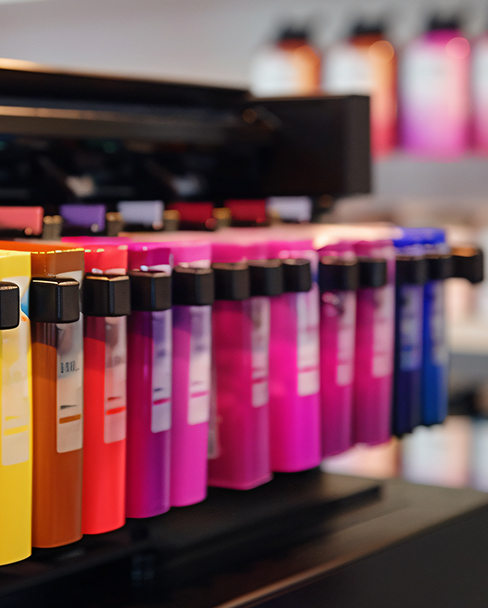
Not all CIJ printers identify ink the same way. Walk into any factory running inkjet coders and you will find two different systems at work: modern printers with RFID chip cartridges and older models relying on traditional ink identification methods such as manual selection, color-coded labels, or barcode scanning.
What exactly changed? And does it matter for your production line? Here is a clear comparison.
Before RFID became standard, CIJ printers used simpler methods to identify what ink was loaded:
These methods work — but they rely heavily on the operator getting it right every time.
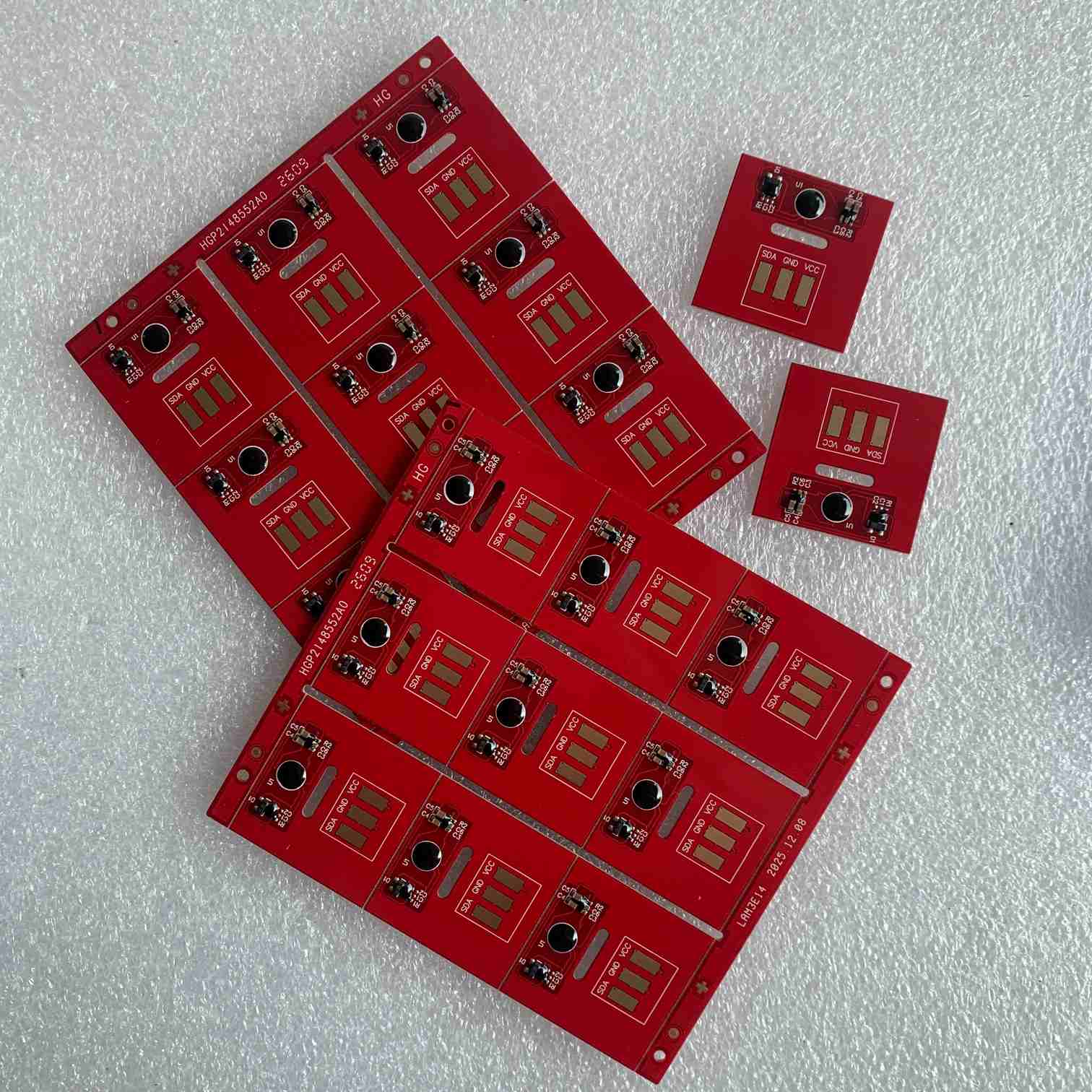
RFID-equipped cartridges carry a small electronic chip that communicates wirelessly with the printer. When the cartridge is inserted, the printer automatically reads:
No operator input is required. The printer handles identification, validation, and tracking automatically.
| Feature | Traditional System | RFID Chip System |
|---|---|---|
| Ink identification | Manual selection or color-coded labels | Automatic — chip communicates with printer |
| Human error risk | Moderate — wrong ink can be loaded | Minimal — printer verifies automatically |
| Volume tracking | Estimated by operator or printer counter | Real-time, accurate reading from chip |
| Expiry monitoring | Operator must check printed date on bottle | Automatic alert when ink is expired |
| Anti-counterfeit | No protection — any bottle can be inserted | Chip authentication rejects non-verified ink |
| Traceability | Manual logbook or barcode records | Full digital record — batch, date, serial number |
| Compatible ink usage | Easy — pour any compatible ink into the bottle | Requires decoded chip or chip-equipped cartridge |
| Cartridge cost | Lower — simple bottle or cartridge | Higher — includes RFID chip cost |
| Best suited for | Older printers, budget-conscious operations | Modern printers, high-volume production lines |
| Brand | RFID-Equipped Models | Traditional (Non-Chipped) Models |
|---|---|---|
| Videojet | 1710, 1880, 1860, 1620, 1580 | 1240, 1000 (older series) |
| Domino | A200+, A220+, A300, Ax-Series | S-Series (S4, S7, S8) |
| Markem-Imaje | 9450E, 9028, 9040, S8 | 9020, S4, S4Si (older models) |
| Linx | 8900, 8910, 8920, F-Series | 10, 20, 490 (legacy) |
| Hitachi | UX series (newer units) | RX, PX, PB, MX-G (bottle-based) |
| Citronix | Ci5300, Ci5100 | CI500, CI700, CI1000 |
| KGK | — | All models (bottle-based) |
| Willett | — | All models (bottle-based) |
| Leibinger | IQJET, JET3up (newer) | JET2, JET1 (older) |
This is the most practical difference for production teams buying third-party ink:
Traditional system: Simply pour compatible ink into the bottle or cartridge, select the ink type on the printer menu, and start coding. No technical barriers. This is why brands like Hitachi, KGK, and Willett remain popular choices for cost-conscious operations.
RFID system: The printer will reject a cartridge without a valid chip. Compatible ink suppliers solve this by offering:
You do not always get to choose — it depends on what printer model you own. But if you are evaluating new equipment, consider this:
| Choose Traditional If... | Choose RFID If... |
|---|---|
| You want maximum flexibility with compatible ink | You run high-volume lines where errors are costly |
| Budget is the top priority | You need automated inventory tracking |
| You have experienced, trained operators | You want to eliminate human error in ink loading |
| You use older or legacy printer models | You need traceability for compliance audits |
RFID chips represent a clear upgrade in ink management — fewer errors, automatic tracking, and built-in counterfeit protection. But they also add cost and create barriers for compatible ink users. Traditional systems offer simplicity and flexibility at the expense of automation.
For most production environments, the trend is clearly moving toward RFID. The practical solution is to work with a compatible ink supplier who understands chip technology and can provide properly coded cartridges for your specific printer model.
We supply compatible CIJ ink with decoded RFID chips for Videojet, Domino, Markem-Imaje, Linx, Citronix, and Leibinger printers, plus traditional bottle-based ink for Hitachi, KGK, Willett, and others. Contact us for pricing and chip compatibility confirmation.

Leave A Message
Scan to Wechat :

Scan to WhatsApp :

 English
 Pусский
 Español
 Português
 العربية
 فارسی
فارسی




 IPv6 network supported