
What Are You Looking For?
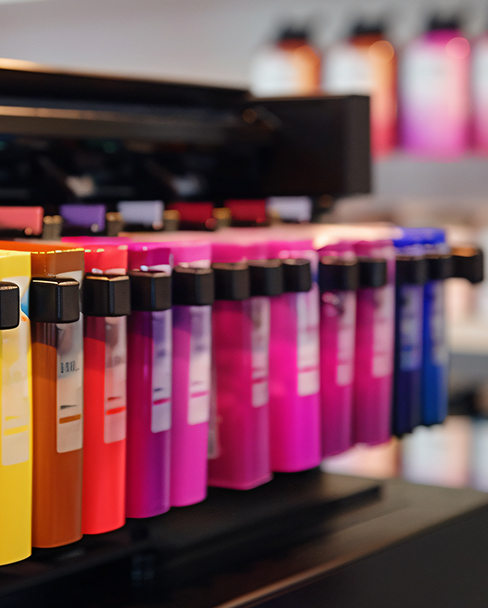
Using the wrong solvent in a CIJ printer poses multi-tiered risks—ranging from print quality issues to the complete write-off of the equipment—as detailed below:
1. Minor Impact: Triggering Device Warnings / Substandard Print Quality
Most major brands (such as Videojet, Imaje, and Linx) equip their intelligent CIJ coding machines with a consumable recognition mechanism. Introducing a solvent of an incompatible model will immediately trigger an alarm and halt device operation, thereby preventing subsequent malfunctions.
If a warning is not triggered, the incorrect solvent will cause the ink viscosity to deviate from standard values. This leads to issues such as abnormal ink droplet splitting, blurred or broken characters, print misalignment and ghosting, and reduced mark adhesion. Such defects fail to meet the traceability compliance requirements of industries like food and pharmaceuticals, and may even necessitate the rework of entire product batches.
2. Moderate Impact: Damage to Core Equipment Components
If the solvency and chemical composition of the incorrect solvent do not match those of the original manufacturer's solvent, the pigments and resins within the ink may precipitate out. This gradually clogs the ink path filters and nozzle tubing. In less severe cases, this requires disassembling the equipment for deep cleaning—resulting in downtime ranging from several hours to several days. In severe cases, it causes direct damage to the printhead; replacing a single CIJ printhead is a highly costly undertaking.
Furthermore, if the solvent's corrosivity levels are unsuitable, it may corrode the rubber seals and plastic tubing within the ink path. This can trigger ink leaks, thereby contaminating products on the production line.
3. Severe Impact: Safety and Compliance Risks
The inadvertent use of a solvent with a lower flash point creates significant safety hazards. In high-temperature workshops (exceeding 40°C) or confined spaces, flammable vapors can easily accumulate, posing a serious risk of fire or explosion.
If a solvent that does not meet food-contact safety standards is used for printing on food or pharmaceutical packaging, it may lead to solvent migration and contamination of the product contents. This exposes the manufacturer to risks of regulatory penalties and product recalls.
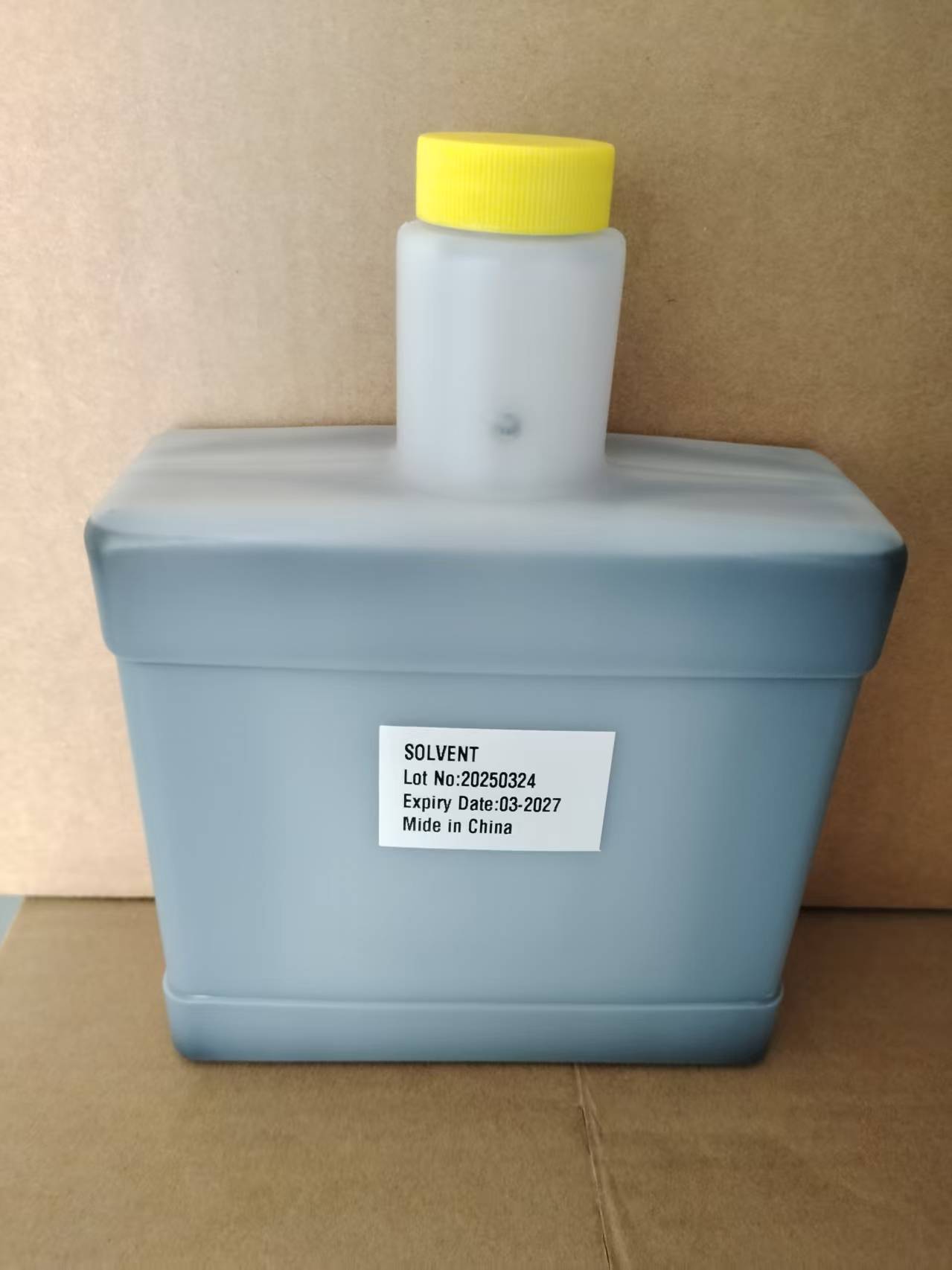
Remedial Action
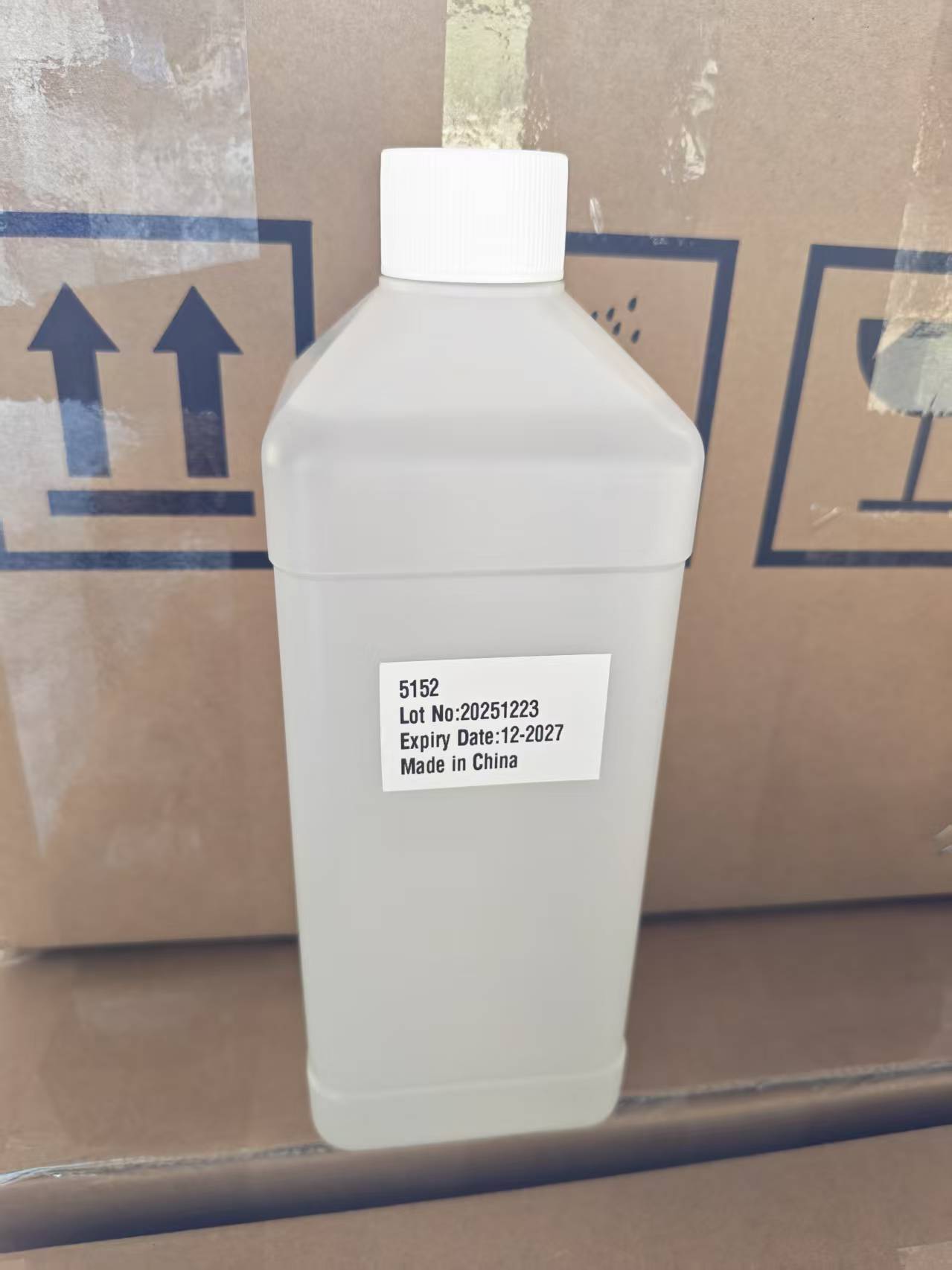
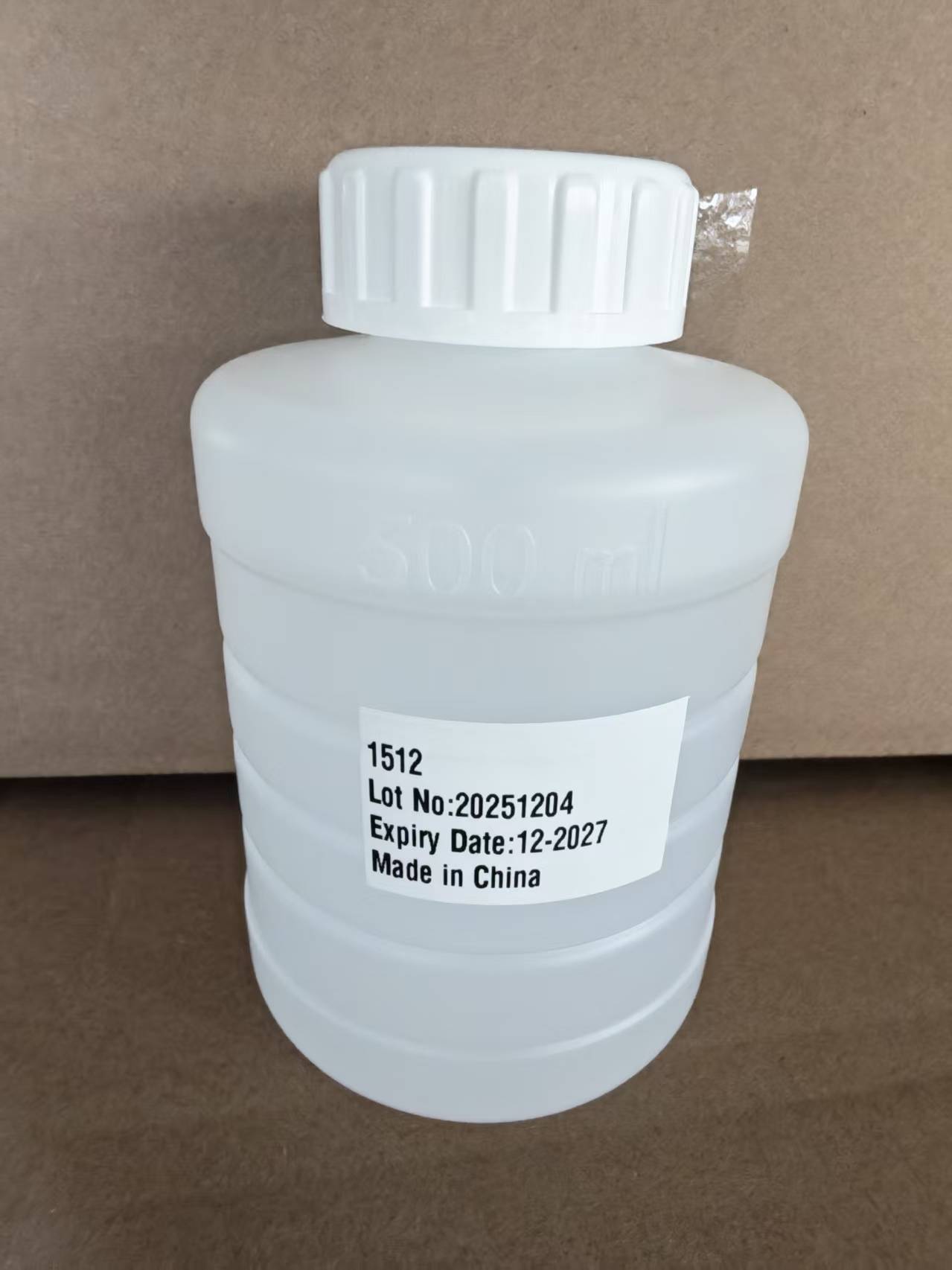
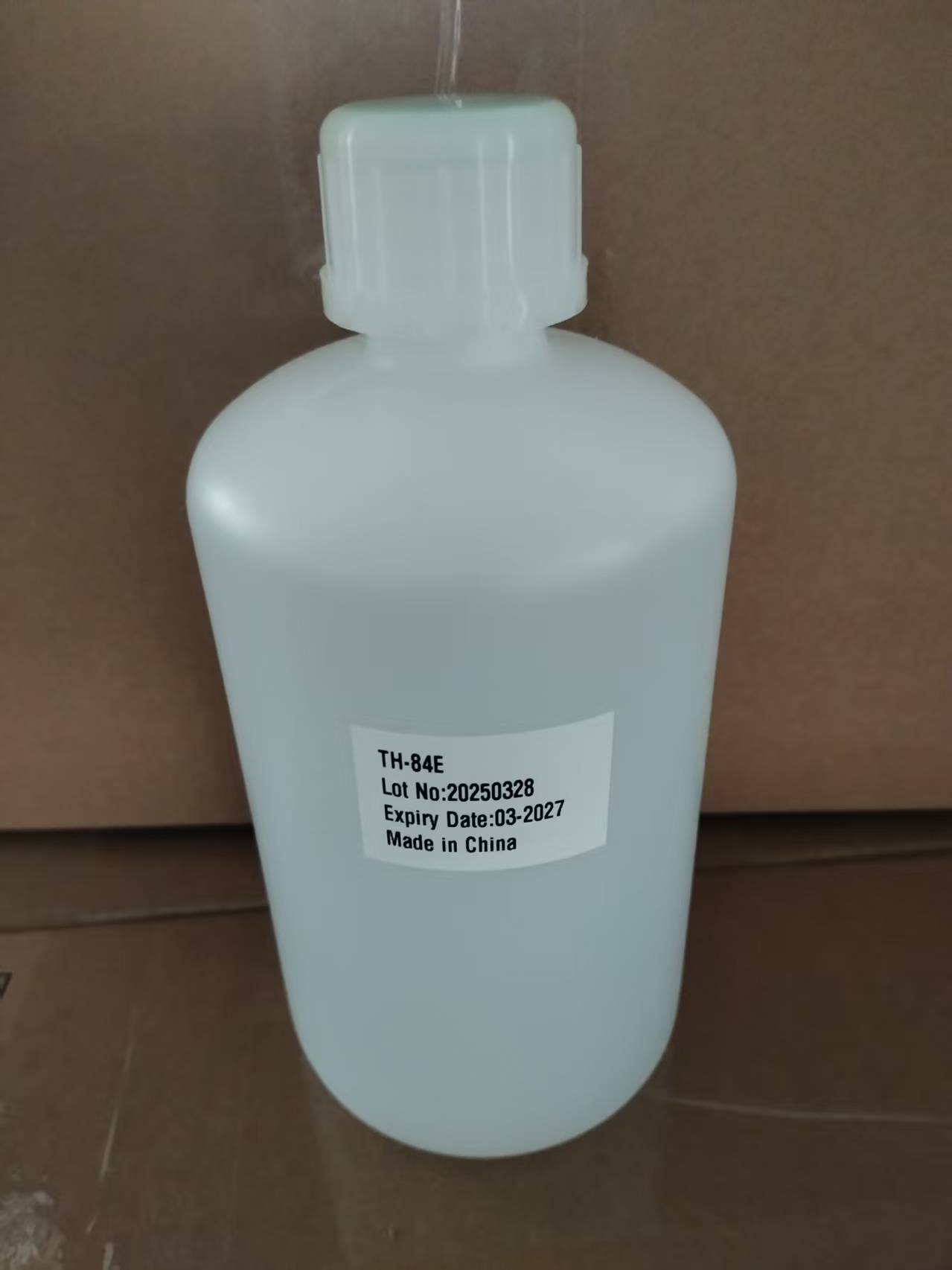
Upon discovering that the wrong solvent has been added, immediately halt operations. Drain the entire ink path to remove the mixture of incorrect ink and solvent. Use the manufacturer's specific, compatible cleaning fluid to repeatedly flush and circulate through the entire ink path system 2 to 3 times. Subsequently, replace the consumables with the correct solvent and ink. Resume production only after verifying that the print quality and viscosity parameters have returned to completely normal levels; under no circumstances should the machine be forcibly restarted or operated before these checks are complete.

Leave A Message
Scan to Wechat :
Scan to WhatsApp :

 English
 Pусский
 Español
 Português
 العربية
 فارسی
فارسی




 IPv6 network supported