
What Are You Looking For?
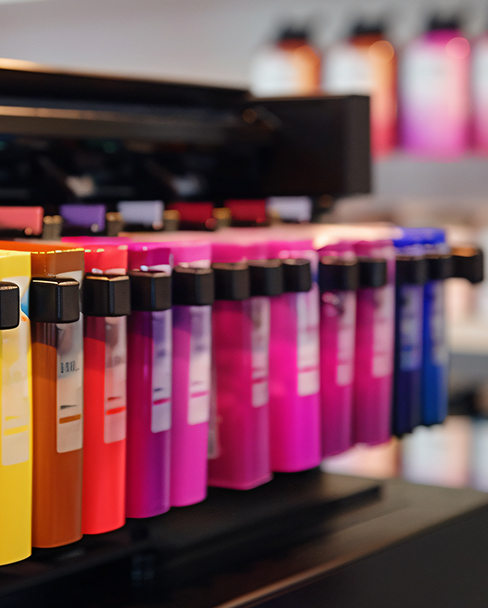
Three real-world factory case studies show you how to choose a coding and marking machine in 2026 without making costly mistakes.
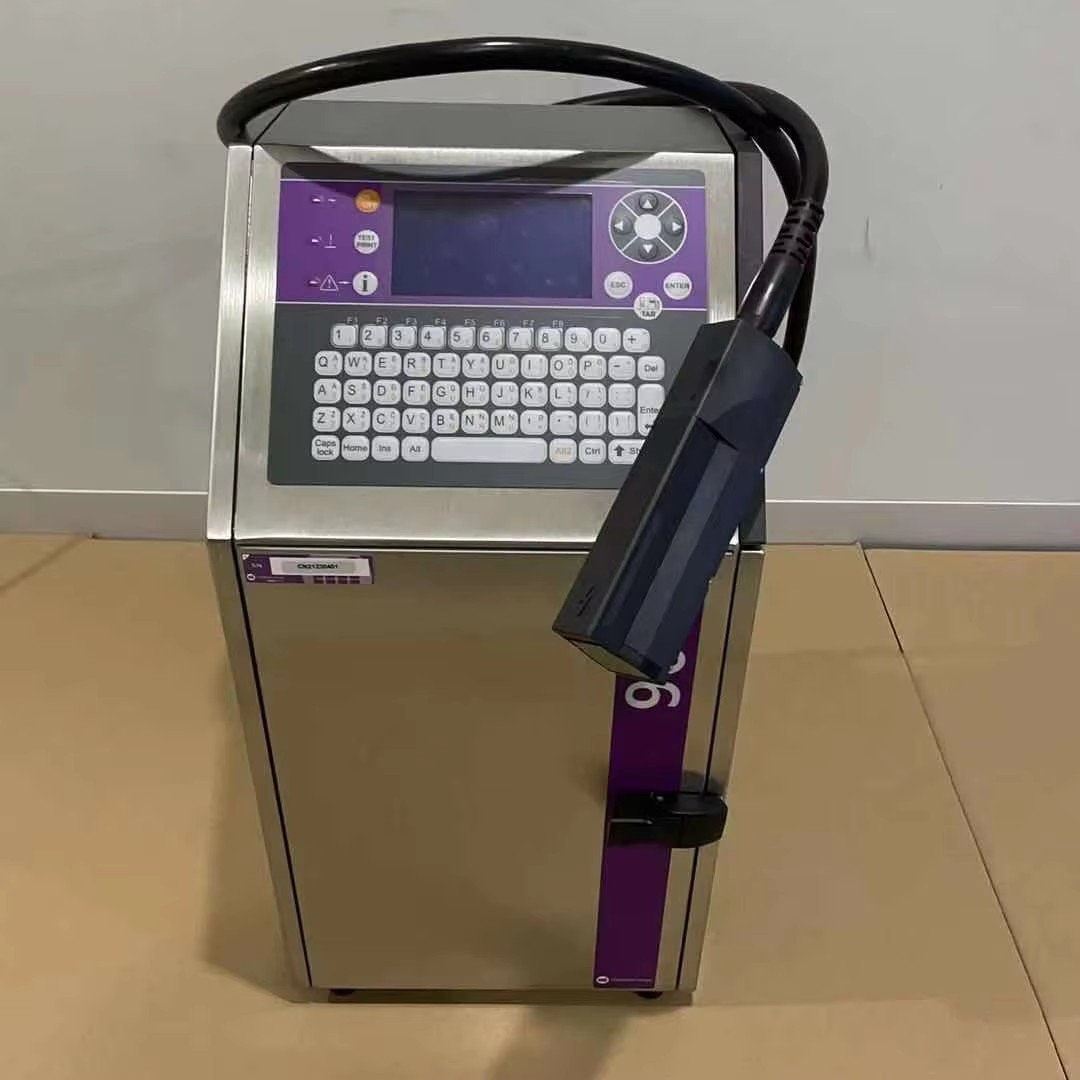
Case 1: The "High-Speed + Compliance" Challenge of a Food Factory
Scenario: A snack food company's high-speed filling line (400 meters/minute) had issues with blurry characters from its original inkjet printer, resulting in a UDI code scanning rate of only 85%;
Pain points: High line speed led to unstable printing, and traditional models could not meet the compliance and traceability requirements of "120,000 bottles printed per hour";
Solution: Replaced with an FJ intelligent CIJ inkjet printer, which uses AI vision to calibrate character positions in real time, increasing the scanning rate to 99.5%. It also connects to the ERP system to automatically generate UDI codes, meeting regulatory requirements;
User feedback: "Previously, we had to manually re-inspect for 2 hours every day, but now the machine automatically alerts us, and consumable costs have decreased by 18%."
Case 2: The "Permanent Marking" Requirement of an Electronics Factory
Scenario: A PCB board manufacturer needed to print batch numbers on metal substrates. The original inkjet printer was prone to wear and tear (markings became blurry after 3 months), and laser marking machines had high initial investment costs;
Pain points: Inkjet markings were not durable, and the laser machine budget was exceeded (small and medium-sized enterprises could not afford equipment costing more than 80,000 yuan);
Solution: Chose a domestically produced mid-range laser marking machine, priced at 45,000 yuan, supporting fiber laser marking (permanently clear), with no consumable costs, and the equipment cost can be recovered in 2 years;
User feedback: "Previously, we spent 20,000 yuan a year on ink, but now with the laser machine, it's a one-time investment, saving both time and money."
--
Case 3: The "High-Definition Graphics" Challenge of a Daily Chemical Plant
Scenario: A cosmetics brand's new product packaging required printing high-definition logos and QR codes (180 DPI), but the original DOD inkjet printer had insufficient resolution, resulting in a low QR code scanning rate;
Pain points: Balancing high-definition graphics requirements with production line speed (80 meters/minute) was difficult, and foreign high-resolution models cost over 100,000 yuan;
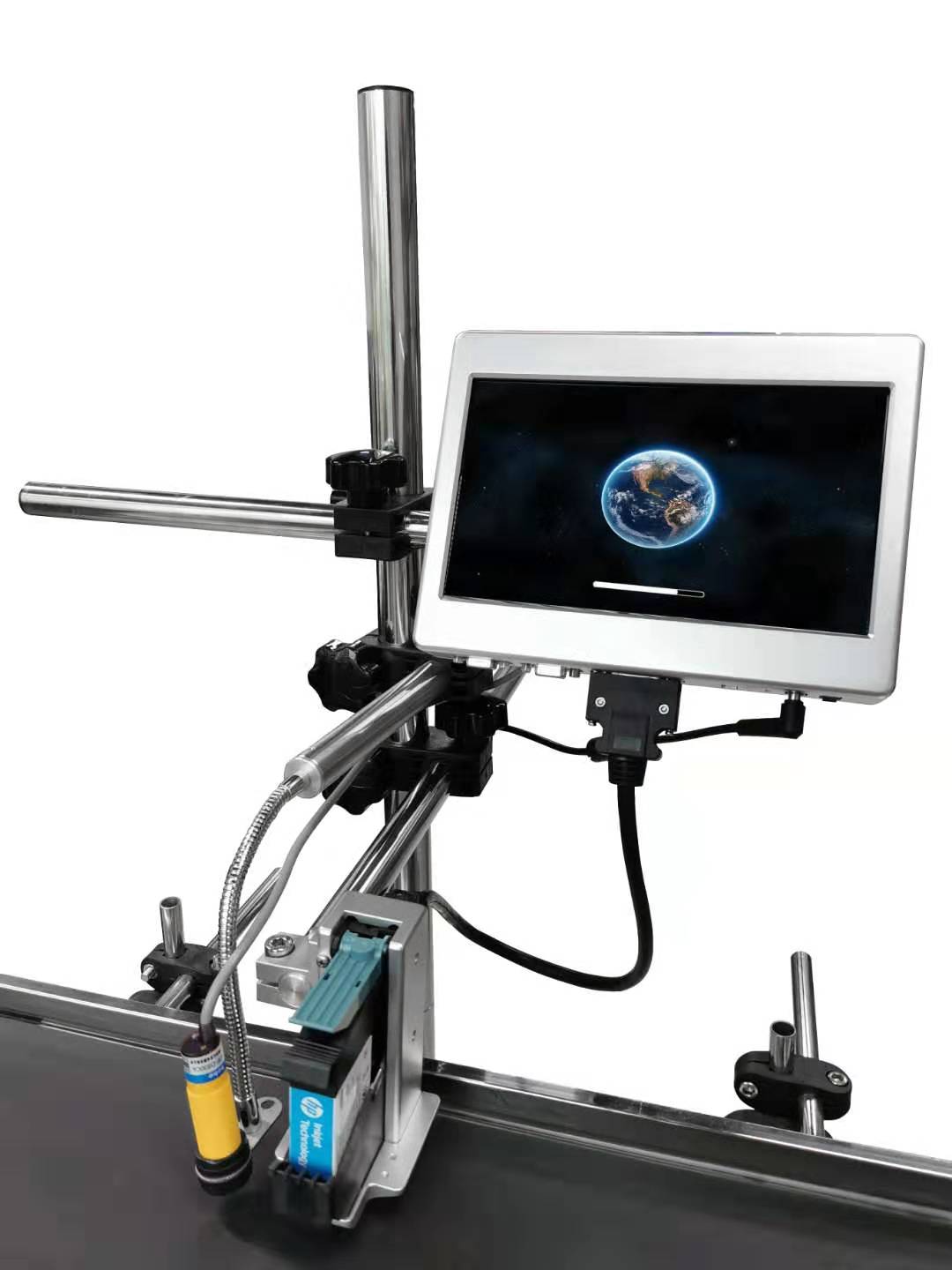
Solution: Adopted... High-resolution inkjet printer, with a resolution of 200x200 DPI, a line speed of 80 meters/minute, and a scanning rate of 99%, priced at only 68,000 RMB;
User feedback: "The appearance of the color boxes has improved, and the conversion rate for scanning codes to receive red envelopes has increased from 15% to 28%. The equipment offers excellent value for money."
Summary: Three Golden Rules for Inkjet Printer Selection in 2026
1. Consider the application scenario first, then choose the model: CIJ for high-speed lines, laser for hard materials, and DOD for high-definition graphics and text;
2. Avoid "parameter fetishism": Require vendors to test print with your products (test scanning rate and character clarity);
3. Emphasize service and ecosystem: Prioritize brands with local service points and support for general consumables to avoid being "tied down" later.

Leave A Message
Scan to Wechat :

Scan to WhatsApp :

 English
 Pусский
 Español
 Português
 العربية
 فارسی
فارسی




 IPv6 network supported