
What Are You Looking For?
I. Customer Background
This company is a well-known snack food packaging company in Southeast Asia, specializing in the packaging of potato chips, biscuits, nuts, and other products using composite films, aluminum foil bags, and paper bags. The company has 5 automated production lines with an average daily output of 500,000 bags. Their products are exported to 12 countries in Europe, the Americas, and Southeast Asia, requiring extremely high standards for packaging marking clarity, adhesion, and compliance.
II. Description of the Customer's Core Problems
The customer has long faced the following pain points in the production line marking process, severely impacting production efficiency and export compliance:
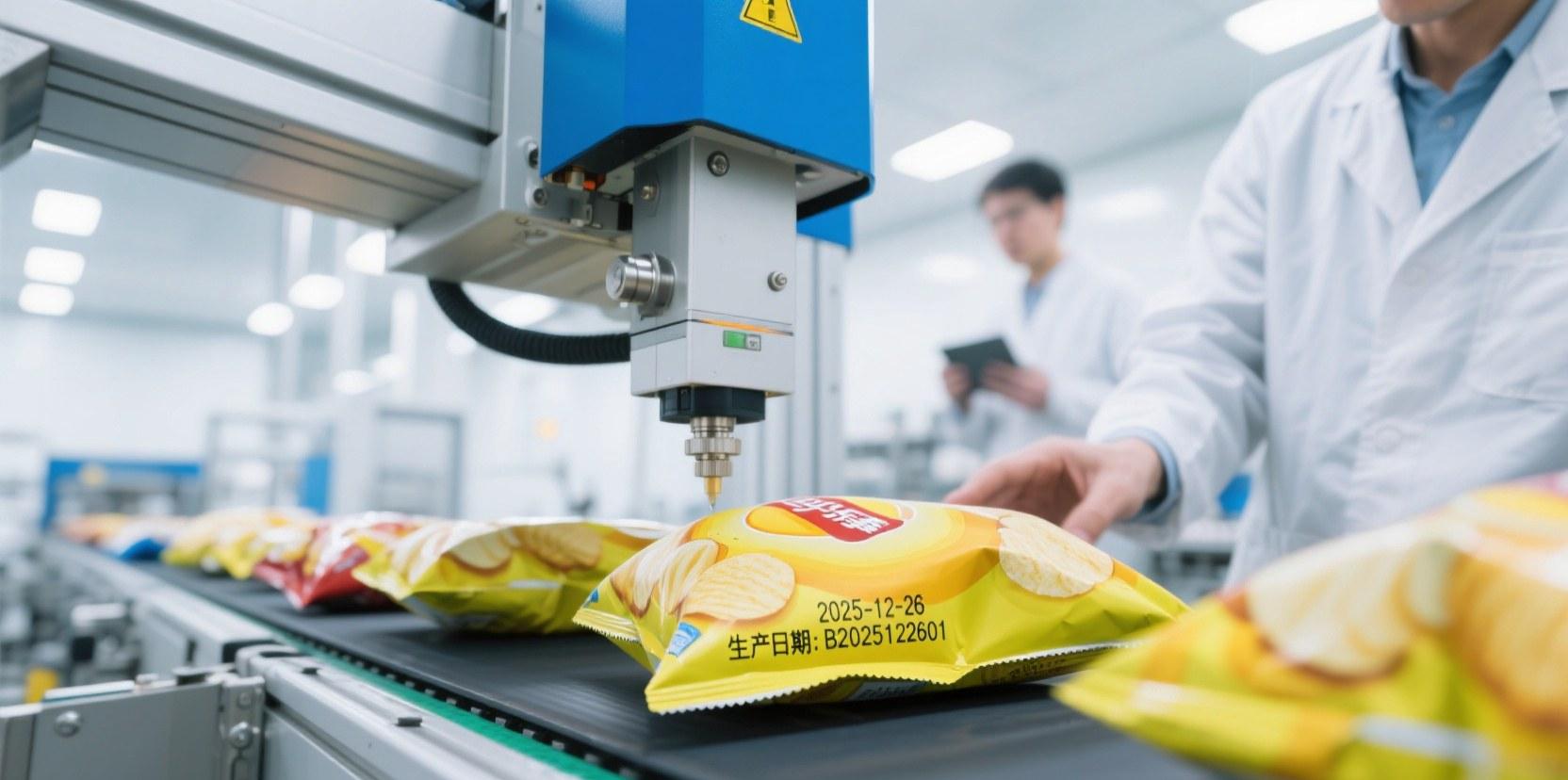
Blurred printing at high speeds: The production line speed reaches 60 meters/minute, and the existing inkjet printer has a resolution of only 300 DPI. Character edges are prone to jaggedness and ghosting, resulting in a failure rate of up to 15% in random inspections by European and American customers, causing monthly losses exceeding 20,000 RMB due to rework.
Insufficient adhesion on multiple materials: Product packaging includes three materials: composite film (PET/PE), aluminum foil bags, and paper bags. The existing general-purpose ink has poor adhesion on aluminum foil bags (a 40% detachment rate after tape testing), which does not meet FDA food contact material standards.
Inability to implement variable traceability codes: The customer needs to print variable data including production date, batch number, and traceability QR code, but the existing equipment software does not support ERP system integration, requiring manual data entry. This limits processing to only 1000 bags per hour, far below the production line speed.
High maintenance costs: The print head is prone to clogging, requiring weekly downtime for cleaning (2 hours each time), resulting in over 100 hours of lost production time annually; ink consumption is high, with monthly procurement costs exceeding 3000 RMB.
III. Customized Product Solution
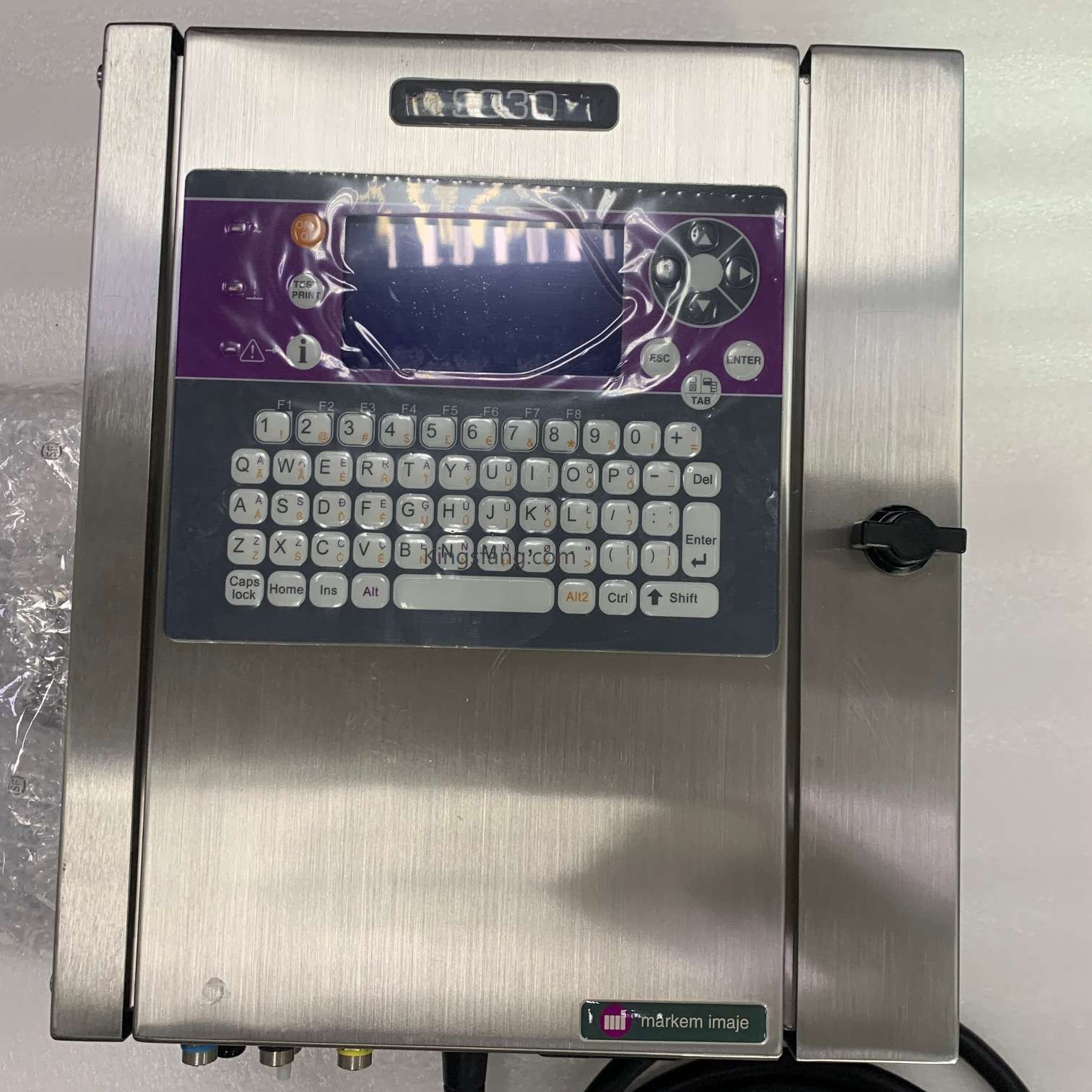
To address the customer's pain points, our factory provided an integrated solution of consumables and customized accessories to replace the existing inkjet printer:
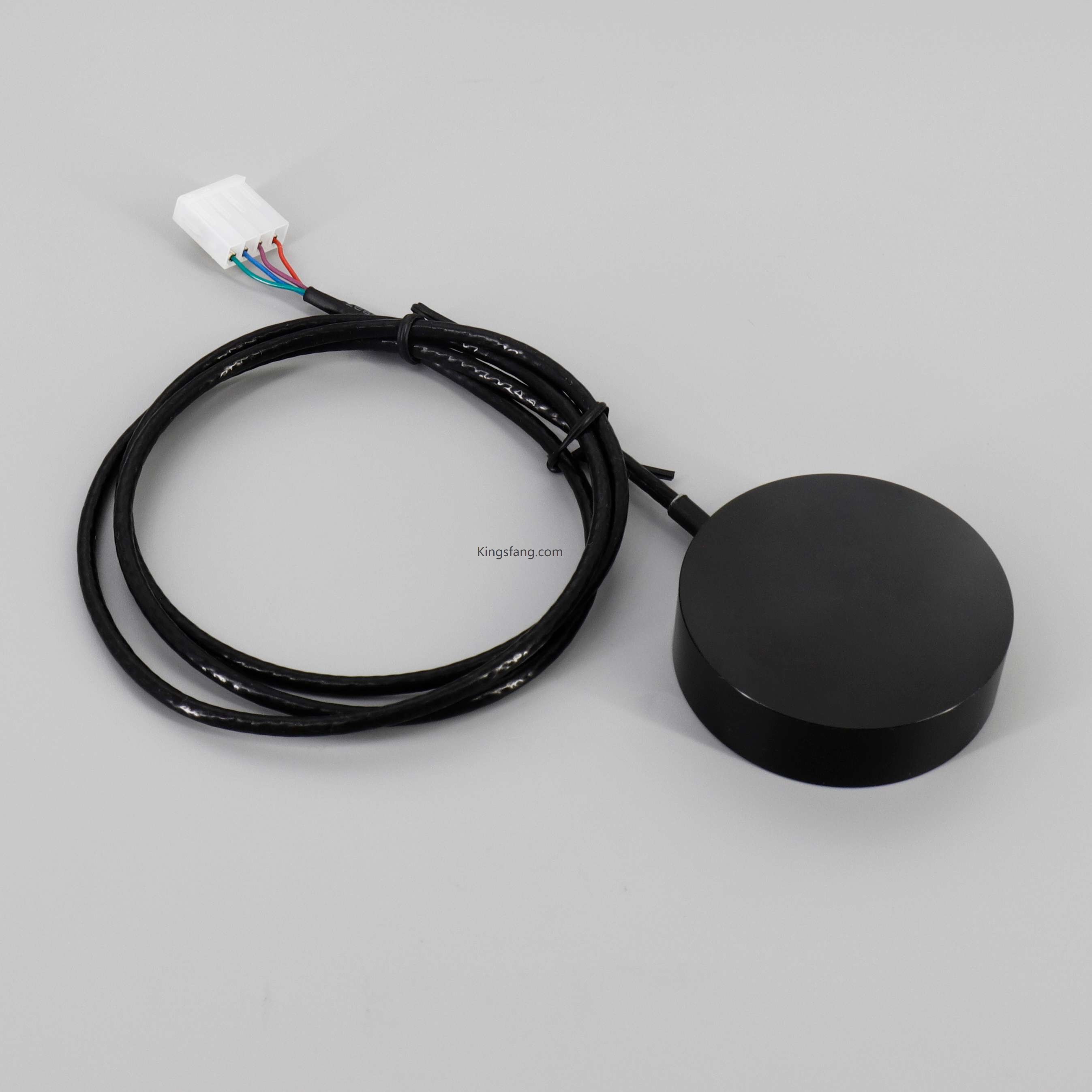
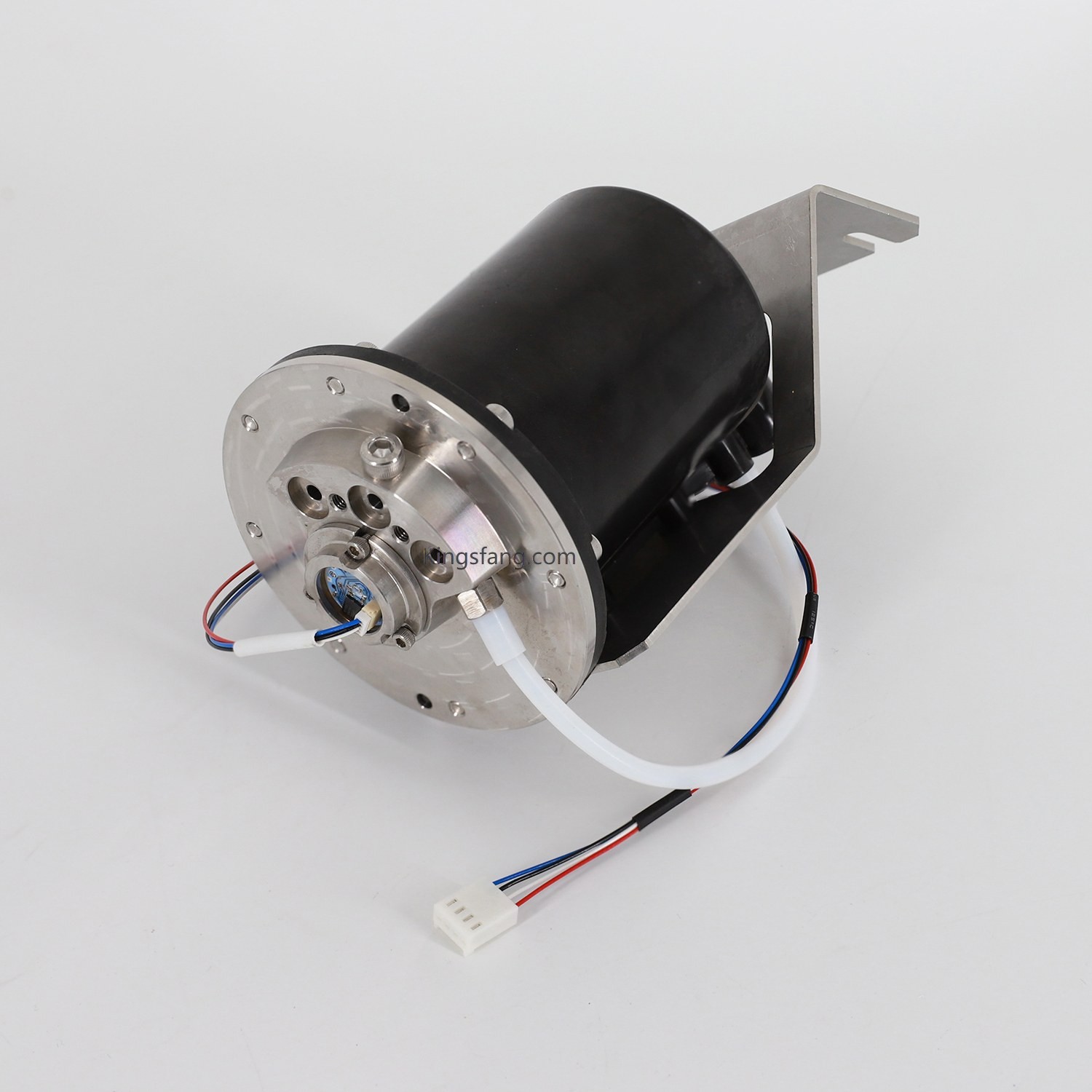
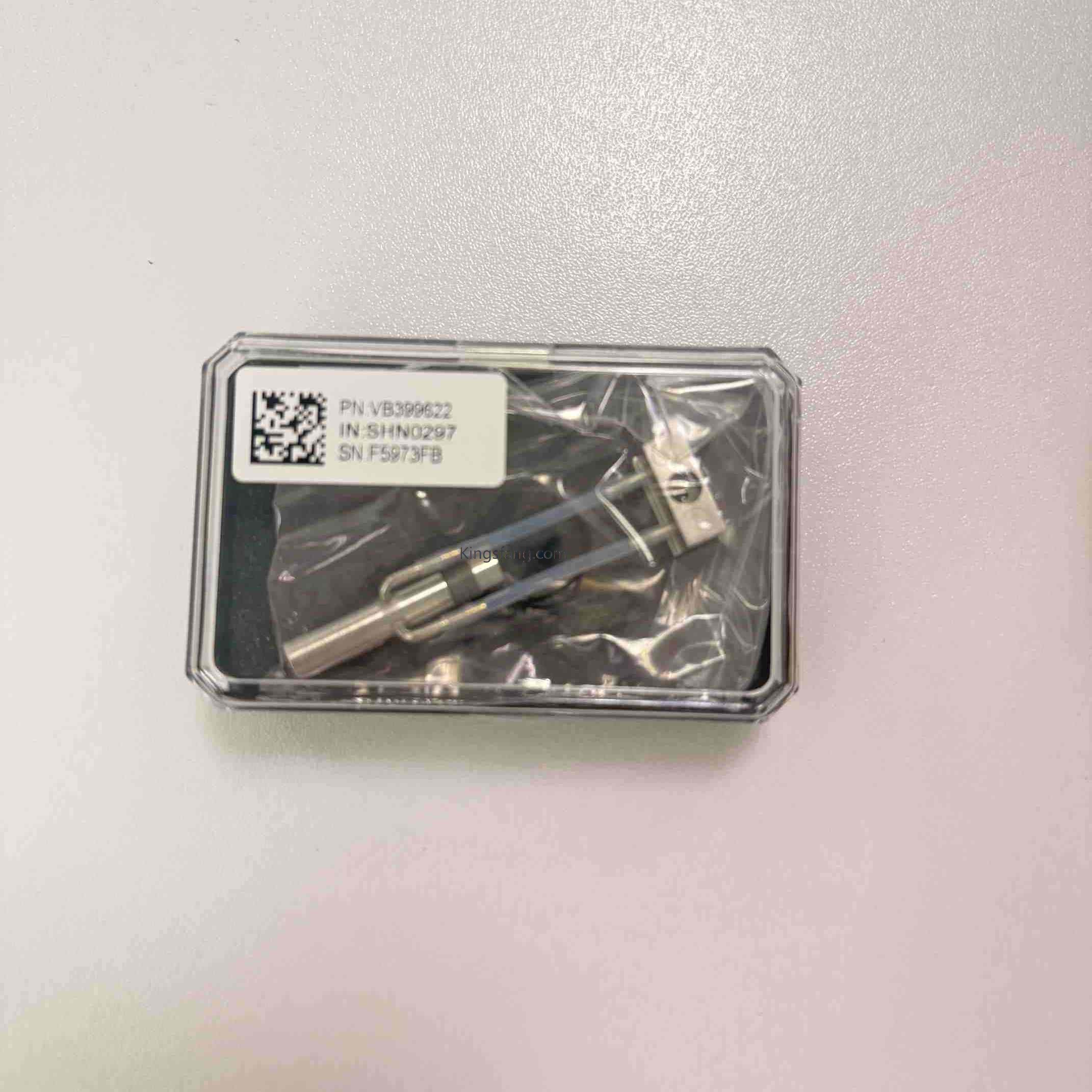
1. Hardware Upgrade: Print head nozzle replacement, dedicated for pigment ink and ordinary black ink.
Supports high-speed printing up to 100 meters/minute, with a minimum character size of 1mm and sharp, blur-free edges.
Optimized adaptation: Customized print head brackets are provided based on the ink selection for the production line, ensuring that printing is not affected by vibration-induced print head displacement. 2. Consumable Customization: Food-Grade Specialty Ink with High Adhesion
Ink is matched to three different packaging materials:
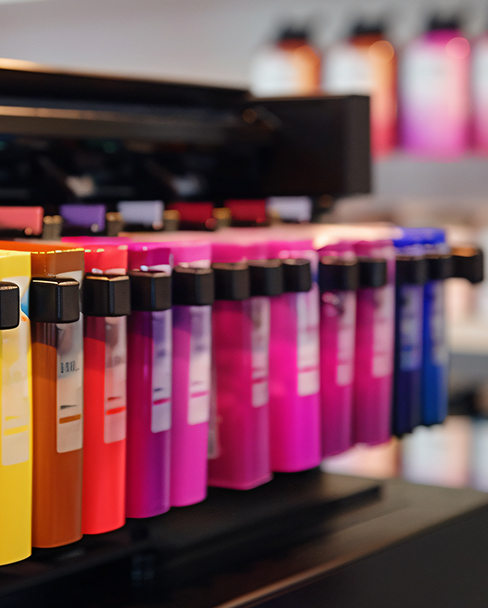
Composite film (PET/PE): Provides fast-drying solvent ink, dries in 3 seconds, adhesion ≥98% (tape test)
Aluminum foil bags: High-adhesion food-grade ink, wear-resistant and boil-resistant, complies with FDA 21 CFR 175.300 standard, FDA food contact certified
Paper bags: Environmentally friendly water-based ink, odorless and biodegradable
3. Maintenance Optimization: Low-Loss Design
Anti-clogging printhead: Adopts a self-cleaning nozzle structure with built-in ultrasonic cleaning function, requiring only one deep maintenance per month (30 minutes);
Ink circulation system: Reduces ink waste, reducing monthly consumption costs to less than 2000 RMB.
Implementation Steps
On-site assessment: Engineers inspect production line speed, material characteristics, and existing equipment problems to develop a personalized solution;
Customized debugging: Adjust printhead height, ink viscosity, and other parameters to ensure compatibility with all packaging materials;
Provides 7×24 hour remote technical support.
IV. Implementation Results
Three months after the project went live, the client's core problems were completely solved, with significant results:
Quality improvement: The unqualified rate of print clarity in random inspections decreased from 15% to 1%, European and American customer complaints were 0, and export orders increased by 18%;
Efficiency improvement: Variable data printing speed reached 60 meters/minute, synchronized with the production line, increasing daily output by 100,000 bags (a 20% increase);
Cost reduction: Monthly maintenance time decreased from 8 hours to 2 hours, ink costs decreased by 33% (saving 1000 RMB per month), and total annual cost savings exceeded 15,000 RMB;
Customer satisfaction: The client reported that "the printing stability far exceeded expectations," subsequently placing orders for two more devices and recommending them to three companies in the same industry.
This case accurately solved the core pain points of high-speed production, multi-material compatibility, and variable data printing in the food packaging industry, achieving the triple value of "quality compliance + efficiency improvement + cost optimization." This model can be replicated in industries with strict labeling requirements, such as pharmaceuticals and electronics, creating a sustainable competitive advantage for clients. Key takeaway: Inkjet industry solutions must be centered around the customer's actual scenarios, avoiding a "one-size-fits-all" approach. Only by customizing technology to match industry characteristics can customer pain points be truly addressed.

Leave A Message
Scan to Wechat :

Scan to WhatsApp :

 English
 Pусский
 Español
 Português
 العربية
 فارسی
فارسی




 IPv6 network supported