Client Background
The client company in South America specializes in the production of miniature electronic components (such as PCB boards, chips, and capacitors), with product sizes as small as 2mm x 2mm. They require printed codes for supply chain traceability, with a daily production volume of 5 million units.
Client's Core Problems
Insufficient High-Precision Printing: The existing inkjet printer has a resolution of only 300 DPI, resulting in blurry prints and a scanning failure rate of 15%;
Poor Scratch Resistance: Electronic components undergo high-temperature soldering (260℃) and alcohol wiping during assembly, causing the printed codes to easily detach (10% detachment rate);
Data Synchronization Lag: Inability to connect to the manufacturing execution system requires manual import of production data, taking an average of 3 hours per day;
Difficulty Adapting to Small Components: The small size of the components and the low positioning accuracy of the existing print head result in a 5% printing offset rate.
Product Solution
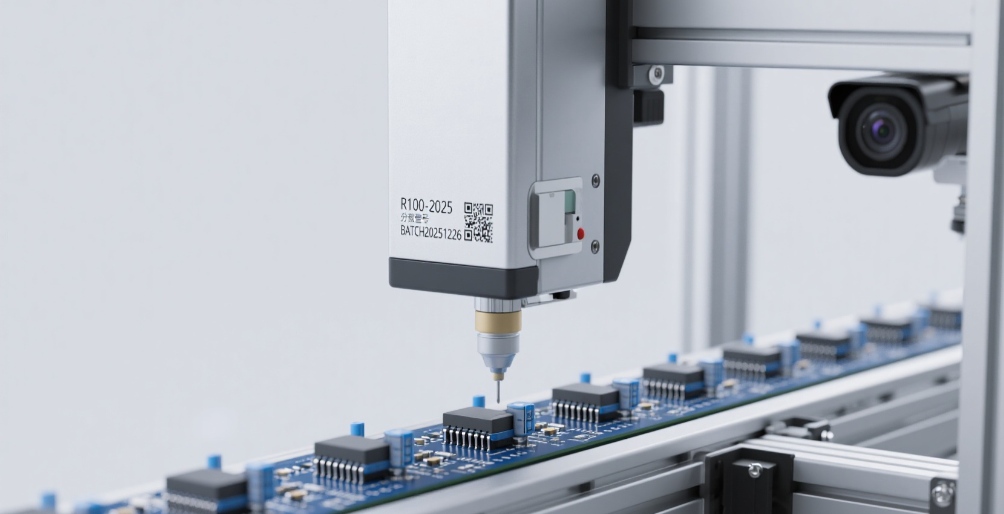
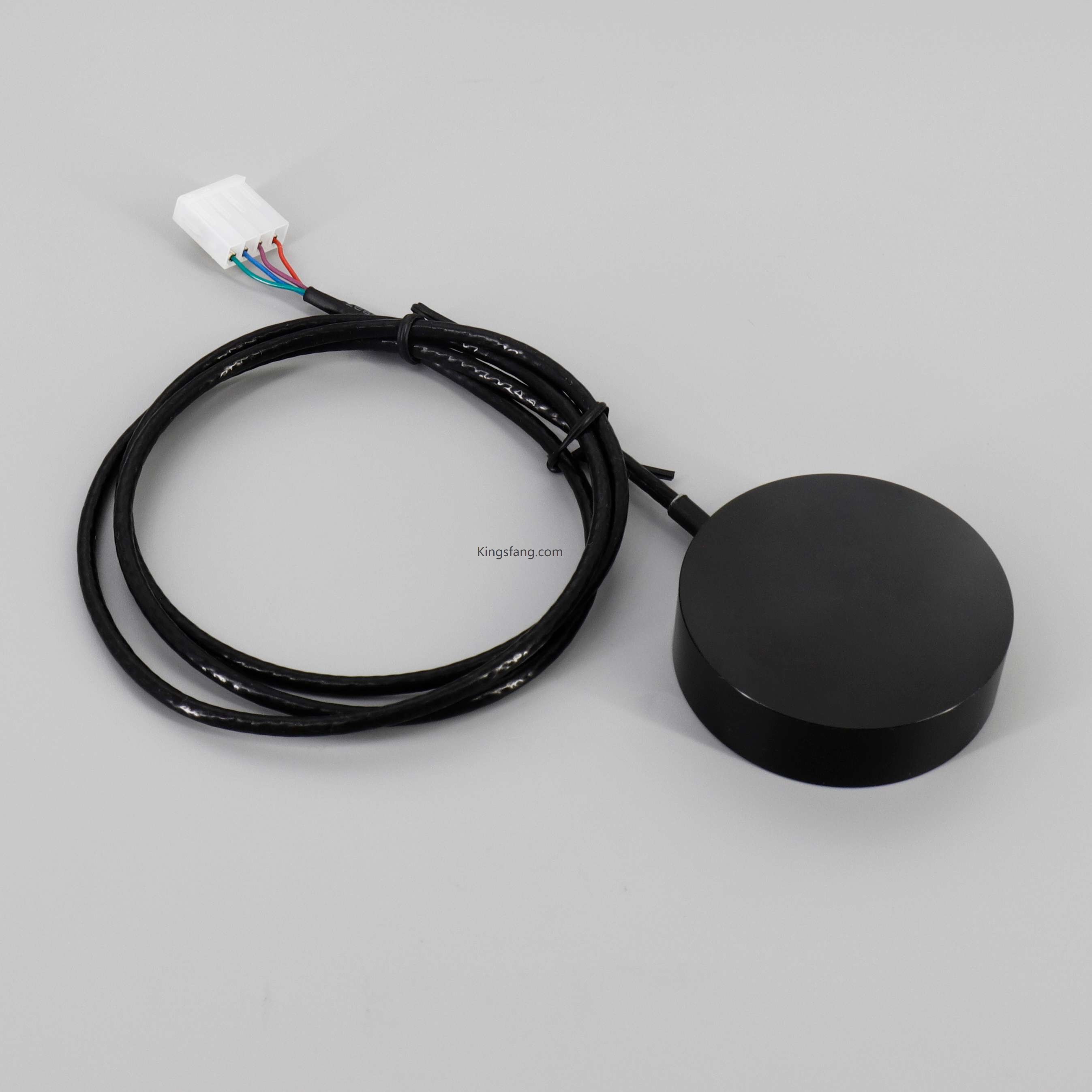
Added sensors (accuracy ±0.01mm) to automatically correct component position, reducing the offset rate to below 0.1%.
Customized Consumables: Industrial-grade scratch-resistant ink
UV Invisible Ink Curing Scratch-Resistant Ink: Curing time ≤1 second, resistant to 260℃ high-temperature soldering, resistant to alcohol wiping (no detachment after 50 times), and compliant with RoHS standards;
Ink Viscosity Control: Built-in viscosity sensor to adjust ink viscosity in real time, adapting to the printing needs of miniature components.
Implementation Results
Improved Accuracy: Scanning success rate increased from 85% to 99.95%, improving component assembly efficiency by 12%;
Improved Scratch Resistance: Printing detachment rate reduced to below 0.5%, meeting electronic industry high-temperature soldering standards;
Optimized Efficiency: Manual data import time reduced to zero, increasing daily production by 800,000 units (a 16% increase);
Cost Savings: Component scrap rate due to printing errors reduced from 3% to 0.1%, saving over $30,000 annually.





 English
 Pусский
 Español
 Português
 العربية
 فارسی
فارسی




 IPv6 network supported